Why hotel lighting design shapes every guest experience
Walk into any luxury hotel and you feel the lighting before you see it. Thoughtful lighting design guides the guest from lobby to room, shaping experience, comfort and even how large the spaces seem. When hotel lighting is careless, harsh lights and clumsy fixtures make guests feel exposed instead of welcomed.
In serious hospitality, lighting creates a narrative that runs from arrival to sleep. Architectural lighting traces structural lines, highlights architectural features and quietly tells you where to linger, where to move and where to rest. When hotels invest in layered lighting rather than a single commercial ceiling panel, the guest experience becomes softer, calmer and far more luxurious.
Think of lighting as the invisible concierge that never clocks off. Ambient lighting sets the emotional temperature of the hotel, while accent lighting and task lighting refine how you read, dress and dine. The best hospitality lighting solutions use smart lighting and discreet smart controls so that guests feel in charge of their own light, not trapped in a showroom of led lighting experiments.
Layered lighting in the room: how luxury hotels get it right
In a well considered room, layered lighting is the quiet signal that you are not in a budget hotel. Ambient lighting washes the room in a gentle light, then task lighting at the desk and bedside lets each guest create their own pool of focus. Accent lighting adds a final layer, grazing architectural features or art so that the spaces feel composed rather than improvised.
Look for a luxury hotel that avoids a single central ceiling light blasting everything at once. Instead, you should see a mix of wall lights, floor lamps and integrated architectural lighting that lets lighting creates zones for reading, lounging and sleeping. When lighting helps you dim the room in stages, the guest experience becomes more intuitive, and guests feel their own rhythm is respected.
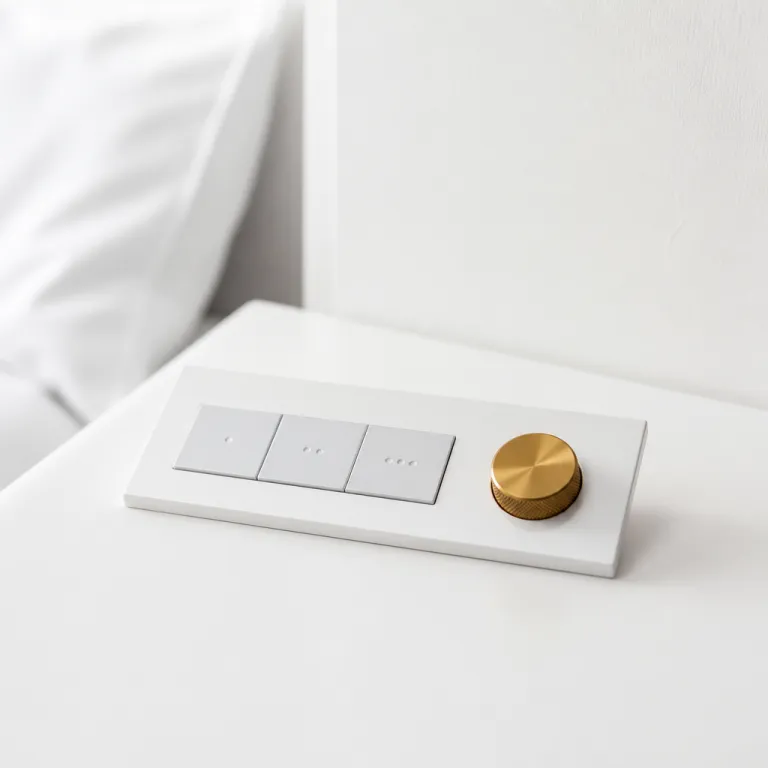
Controls matter as much as the fixtures. Smart controls that are clearly labelled at the bedside allow each guest to adjust ambient lighting, task lighting and accent lighting without playing with every switch in the room. Properties that care about universal design in a hotel often extend that thinking to lighting design, making sure that both older guests and tech fluent travellers can manage smart lighting without frustration.
Light, sleep and the bathroom mirror problem
Good hotel lighting design guest experience strategy starts with sleep, not selfies. Warm dimmable lights in the evening signal to the body that it is time to wind down, while cooler led lighting in the morning helps guests wake gently without feeling interrogated. When hotels use smart lighting with circadian friendly settings, lighting helps align your stay with your natural rhythm.
The bathroom is where many otherwise luxury hotels fail. A single downlight above the mirror throws unflattering shadows, while better hospitality lighting uses vertical fixtures on both sides of the glass so that light creates even, natural illumination on the face. When guests feel they look good in that mirror, guest experiences of the entire stay improve, from dressing for dinner to returning from a day of outdoor activities.
Task lighting in the bathroom should be bright but warm, while softer ambient lighting lets you turn the space into a private spa. Families notice this as much as couples, which is why thoughtful family friendly design in hotels often includes dimmable bathroom lights for late night routines. When you next book, read reviews that mention lighting solutions in the bathroom, because that small detail often separates true luxury from merely expensive hotels.
Lobbies, restaurants and outdoor lighting as atmosphere engineering
The lobby is the hotel’s handshake, and its lighting tells you how long you are meant to stay. Low ambient lighting with focused accent lighting over seating invites guests to linger, while bright commercial lighting and exposed led panels suggest a space designed for throughput, not comfort. In a luxury hotel, hospitality lighting in the lobby should make guests feel both oriented and slightly cocooned.
Restaurant lighting is even more revealing. Warm layered lighting that flatters skin tones and food, with discreet task lighting over menus, shows a property understands how lighting creates appetite and intimacy. If you can see every other table as clearly as your own, the design is prioritising efficiency over guest experience, and that choice will colour your memory of the meal.
Step outside and the story continues through outdoor lighting. Architectural lighting on façades, gentle path lights and considered outdoor lighting around terraces or pools all signal how seriously the hotel takes its evening atmosphere. Properties that integrate nature into the stay often use subtle lighting solutions in gardens and forest edges, proving that hospitality can feel both immersive and calm when the night is lit with restraint.
How to read lighting when choosing your next stay
When you scroll through photos on a booking site, train your eye to read the light, not just the furniture. Notice whether hotel lighting relies on a single overhead light or whether layered lighting creates depth with multiple sources at different heights. If every surface looks equally bright, expect a flatter guest experience once you arrive.
Look closely at fixtures in the images. Wall lights near the bed, adjustable reading lights and concealed architectural lighting under shelves or behind headboards all suggest a design team that understands how lighting helps guests feel at ease. Visible smart controls by the bed or near the entrance, rather than a maze of switches, are another sign that the hotel respects your time and comfort.
Pay attention to outdoor spaces in the gallery as well. Thoughtful outdoor lighting along walkways and terraces, rather than harsh commercial floodlights, shows that the property is curating guest experiences beyond the room. When a luxury hotel treats hospitality lighting as part of its identity, you can expect a stay where light quietly supports every moment, from the first key card tap to the last nightcap.
FAQ
Why does hotel lighting affect how rested I feel after a stay ?
Lighting influences your circadian rhythm, which regulates sleep and wake cycles. Warm, dimmable lights in the evening help your body prepare for rest, while cooler light in the morning supports waking up. Hotels that use layered lighting and smart lighting controls make it easier for guests to align room light with their natural rhythm.
What should I look for in room lighting when booking a luxury hotel ?
Check photos for multiple light sources at different heights, not just one ceiling fixture. Look for bedside reading lights, wall lights, and soft ambient lighting that can be dimmed. Clear, simple smart controls near the bed are another good sign that the hotel has prioritised guest comfort.
Why is bathroom lighting so important in hotels ?
Bathroom lighting affects grooming, makeup and how confident you feel before going out. Even vertical lights on both sides of the mirror reduce shadows and provide more accurate colour rendering. When hotels invest in good bathroom lighting, guests usually rate the overall experience higher, even if they do not mention the reason explicitly.
How can I tell if a hotel uses quality outdoor lighting ?
Look for photos that show paths, terraces and pool areas at night. Quality outdoor lighting will be gentle, with clear wayfinding but no glare or harsh floodlights. When façades and gardens are lit with restraint, it usually reflects a wider commitment to thoughtful architectural lighting and guest experience.
Are led lights always a sign of better hotel lighting ?
Led lighting can be excellent when used with warm colour temperatures and good dimming. However, cold, overly bright led fixtures can feel clinical and uncomfortable. The key is how the hotel combines led technology with layered lighting, smart controls and a clear design intent that prioritises guest comfort.