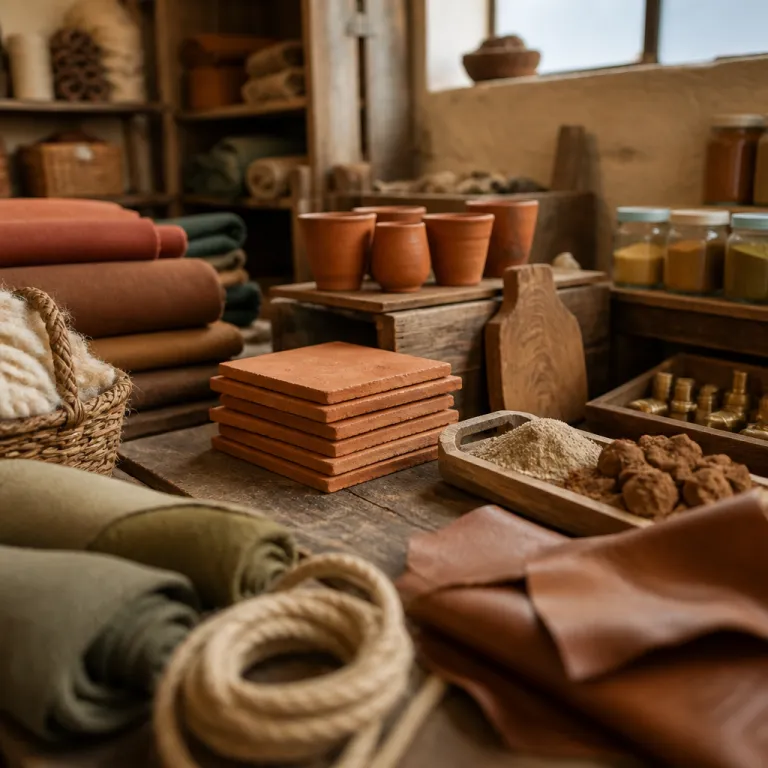
From concept sketch to carved headboard: how hotel artisan local craftsmanship design really begins
Walk into a luxury hotel that takes local craftsmanship seriously and you feel it before you see it. In the best hotels, the hotel artisan local craftsmanship design story starts long before opening night, when developers map which crafts, materials and cultural narratives genuinely belong to that city. This is where hotel design moves from mood boards to conversations with local artisans, cultural institutions and community leaders who understand history as more than a decorative theme.
Across the hospitality world, hotels now commission local artisans through a clear timeline : initiation, design, creation and installation. During initiation, a hotel or group of luxury hotels defines which traditional crafts, contemporary art practices and local culture threads should shape rooms, public spaces and the wider guest experience. The design phase then pairs interior design teams with local artisan studios, aligning practical needs such as durability and fire codes with traditional techniques like hand carved stone, woven textiles or handcrafted furniture.
Creation is where the workshop dust rises and the gap between mass produced pieces and true craftsmanship becomes obvious. At Vermont’s forthcoming Sugar House Hotel, for example, regional craftspeople are creating custom glasswork and metalwork while each room is named for a sugarmaker, with local art and a book about that producer placed in the rooms to deepen the cultural connection. Installation is the final check, when hotel teams, artisans and sometimes the local community walk the spaces together, ensuring every crafted element feels rooted in local craft rather than parachuted in as a boutique design gesture.
When walls breathe and roofs cool: local craftsmanship as performance, not just style
The most convincing hotel artisan local craftsmanship design projects treat local craft as infrastructure, not garnish. In Ladakh, Lchang Nang Retreat uses mud, stone and poplar wood built with traditional techniques, so rooms stay naturally insulated in a high altitude climate where temperature swings are extreme. Guests may first notice the soft light and textured walls, yet the deeper story is how local craftsmanship and traditional crafts make the building perform better than many concrete hotels in the same region.
On India’s western coast, SwaSwara in Gokarna relies on laterite stone and coconut thatch, drawing directly from local culture and long standing construction knowledge. Here, interior design choices such as open pavilions, handcrafted furniture and local art are inseparable from the structural craft, so the guest experience of breeze, shade and sound is literally shaped by artisans. This is hotel design where contemporary art pieces sit comfortably beside traditional techniques, and where guests can check how the materials age gracefully rather than peeling like imported veneers.
These properties show how a luxury hotel can support local artisans while improving comfort, energy use and acoustic quality. Mud walls, stone floors and timber ceilings created by local artisans are not nostalgic props ; they are high performance elements that outperform many mass produced systems in harsh climates. When you compare this to a generic boutique property with identical rooms in every city, the difference in cultural depth, climate response and even sleep quality becomes as clear as the view from a well oriented verandah. For another layer of sensory design, hotels are now using scent as an invisible design tool, a topic explored in depth in this guide to how hotels use scent to shape how you feel.
Do guests really notice the artisan’s hand, or just the thread count ?
For all the investment in hotel artisan local craftsmanship design, the blunt question remains : do guests care. Travelyst data suggests they do, with around 60 % of surveyed travelers expressing a preference for hotels that reflect local experiences and culture. Yet preference on a form and behavior in rooms can diverge, especially when a couple arrives late, checks the view, orders room service and collapses before reading the story behind the handcrafted furniture.
Sugar House Hotel is betting that narrative depth will matter, placing a book about each sugarmaker in the rooms and layering local art and craft into every corridor. Some guests will read every page, tracing the history of maple sugaring and the community of artisans whose work shapes the hotel, while others will simply register that the design feels warmer than a mass produced chain. Lchang Nang and SwaSwara report similar patterns, where a minority of guests seek out craft workshops, local artisans and cultural tours, but a much larger group still rates the overall guest experience higher without always naming craftsmanship as the reason.
For couples choosing between luxury hotels, the difference often emerges in small rituals rather than grand statements. The weight of a hand thrown cup at breakfast, the irregular edge of a carved stone basin, the way local art references the city without cliché, all signal that this is not a generic boutique property. Families, too, are starting to value thoughtful design that respects local culture, as seen in hotels where family friendly meets thoughtful design and where craft, play and comfort coexist without feeling themed. Over time, these subtle cues build loyalty, even if guests never use the words local craftsmanship when they recommend the hotel to friends.
Commissioning local artisans: money, power and the risk of cultural extraction
Behind every polished lobby that celebrates local craft sits a negotiation about budgets, timelines and authorship. Hotels act as commissioners, setting briefs that can either respect local culture and traditional crafts or flatten them into decorative motifs for a boutique style photo shoot. Local artisans, meanwhile, bring generational knowledge of traditional techniques, but they often lack the legal and financial leverage of large hotel groups or luxury hotel investors.
Responsible hotel artisan local craftsmanship design starts with transparent contracts that pay fairly for both creation and intellectual property. The commissioning process should involve local artisans from the earliest design conversations, not just as suppliers of local craft objects at the end, and should support local training or apprenticeships so skills remain in the community. When hotels partner with cultural institutions and community leaders, they can avoid the trap where local culture becomes a backdrop while profits flow elsewhere.
The risk of cultural extraction is real when boutique hotels and luxury hotels replicate the same aesthetic across cities, using local art as interchangeable wallpaper. Guests can help shift this dynamic by asking how a hotel supports local artisans, whether craft workshops are led by community members and how the property contributes to the wider community economy. As one industry summary puts it, “Do hotels benefit from commissioning local artisans? Yes, it enhances guest experience and supports local economy.” and “How does local art impact hotel stays? It provides unique, memorable experiences for guests.”
How to choose a stay where craftsmanship actually shapes your night
For travelers using a premium booking platform, the challenge is separating marketing language from meaningful hotel artisan local craftsmanship design. Start by reading how a hotel describes its rooms and public spaces, looking for specific references to local artisans, traditional techniques and local craft rather than vague mentions of curated art. Properties that name individual makers, materials and cultural stories usually have deeper relationships with the community than those that simply label themselves as a boutique destination.
Next, check how the hotel engages with local culture beyond décor. Look for on site craft workshops, collaborations with local art galleries, menus that reference regional producers and partnerships that clearly support local economies rather than importing mass produced design objects. A luxury hotel that treats interior design as a living conversation with its city will often highlight local art programs, rotating contemporary art exhibitions and opportunities to meet local artisans in their studios.
Finally, pay attention to how craftsmanship intersects with comfort, sustainability and daily rituals. Mud walls, stone floors and handcrafted furniture should make rooms quieter, cooler or more tactile, not just photogenic, and thoughtful hotel design will extend to details like well balanced lighting and intuitive layouts. When you find a place where the community’s history, culture and craft shape everything from the lobby to the travel kitchen, you feel it in how you move, sleep and eat, especially in properties that care as much about a cast iron pan as a marble lobby, as explored in this guide to refined travel kitchens. Choosing such hotels is not only an aesthetic decision ; it is a way to support local artisans while enjoying a richer, more grounded guest experience.
Frequently asked questions about hotels and local artisans
How can I tell if a hotel genuinely works with local artisans ?
Look for specific names of local artisans, craft workshops and cultural partners in the hotel description rather than generic claims about local art. Genuine collaborations usually involve custom pieces, traditional techniques and stories about how the community contributed to the design. Reviews that mention these details, not just the view or the pool, are another strong indicator.
Does staying in a hotel that uses local craftsmanship cost more ?
Rates at hotels that invest in local craftsmanship can be higher because handcrafted furniture, traditional materials and small scale production cost more than mass produced items. However, these properties often compete directly with other luxury hotels in the same city, so prices may be similar while the guest experience feels richer. For many couples, the added cultural value and comfort justify choosing such hotels over more generic options.
Do guests really notice the difference between handcrafted and mass produced design ?
Many guests notice the atmosphere first, describing a sense of warmth, calm or authenticity without always identifying why. The weight of a hand thrown cup, the texture of a carved door or the way local art reflects local culture all contribute subtly to the guest experience. Over time, these details often translate into stronger memories and higher satisfaction, even if guests never use design vocabulary.
How does commissioning local artisans benefit the surrounding community ?
When hotels commission local artisans for architecture, interiors and art, they create steady work that helps sustain traditional crafts and skills. Fair contracts and long term partnerships can fund apprenticeships, new workshops and cultural programs that extend beyond the hotel walls. This kind of support local approach turns hospitality projects into anchors for wider community development rather than isolated luxury enclaves.
What questions should I ask a hotel before booking if I care about craftsmanship ?
You can ask whether the hotel works with local artisans, which traditional techniques appear in the rooms and whether any craft workshops or studio visits are available to guests. It is also useful to ask how the property supports local culture year round, not just during festivals or marketing campaigns. Clear, specific answers usually signal that craftsmanship is embedded in the hotel’s identity rather than added as a trend.