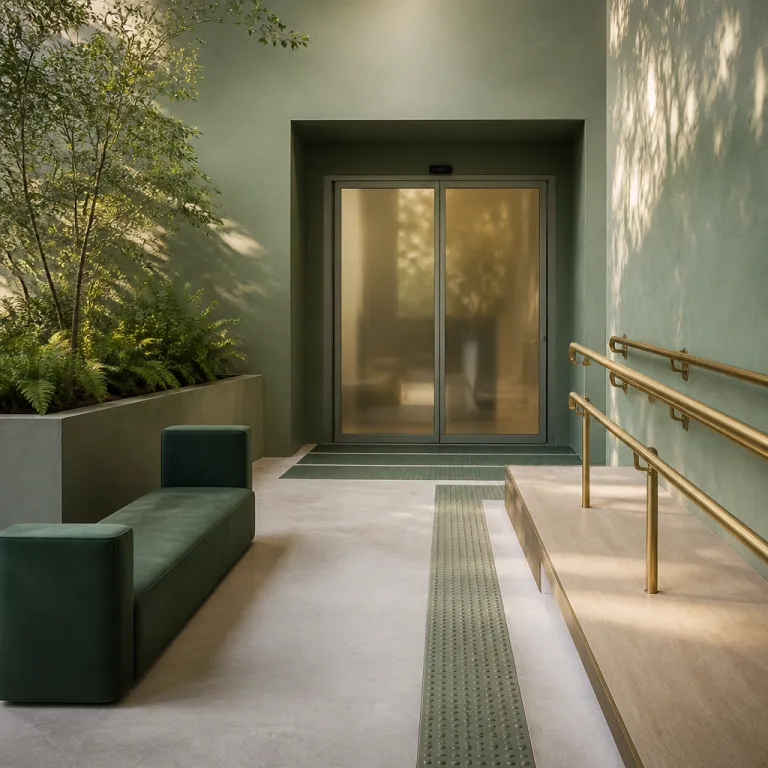
Accessible luxury when the architecture does the talking
Walk into a genuinely accessible hotel and nothing feels labeled or segregated. The lobby flows as one continuous center of hospitality, where guests glide from entrance to lounge without ramps tacked on like afterthoughts. This is where accessible hotel universal design inclusive luxury stops being a slogan and becomes the quiet baseline for how a property is planned, built, and operated.
Universal design in high end hotels means every guest room, corridor, and lounge is planned for different bodies, ages, and abilities from the first sketch. Architects, interior designers, and Hotel Management teams work together so accessibility is embedded in the structure, not patched in with portable ramps or a single wheelchair accessible wing. In industry terms, “What is universal design in hotels?” and “Why is universal design important?” are no longer theoretical questions but daily design briefs that shape how families actually move through spaces and how staff are trained to support them.
For Premium Family travelers, this shift is transformative because the accessible guest is no longer the exception. Parents pushing strollers, grandparents using a wheelchair, and teenagers juggling sports injuries all benefit from the same wide corridors, level thresholds, and intuitive wayfinding. When a hotel will treat inclusive design as an aesthetic opportunity, the guest experience becomes smoother for everyone and guest satisfaction rises without anyone feeling singled out or reminded of “special needs” at every turn.
From ADA minimums to universal design for multigenerational stays
Legal accessibility standards such as ADA compliance set the floor, but universal design sets the ambition. Under the 2010 ADA Standards for Accessible Design, for example, only a small percentage of rooms must be mobility accessible (Section 224), so a property that only meets minimum rules might have a single roll shower in a back corridor. A property shaped by inclusive design will instead integrate roll showers into many room categories so families can stay together. That difference matters when you are booking for three generations and want accessible rooms that feel like the best guest rooms, not compromises.
In practice, universal design in hospitality design means wider doorways, step free access, lever handles, and variable height surfaces that help wheelchair users and small children equally. Accessible design also includes visual fire alarms, clear sightlines, and intuitive controls that support guests with invisible disabilities who may never request an accessible room by name. As one industry guide puts it with clarity, “How can I identify a hotel with universal design? Look for features like wide doorways and step-free access.” A simple mental floorplan helps: imagine a wheelchair user rolling from curb to bed to balcony without encountering a single step or tight turn.
For families arriving from the airport with tired children and older relatives, these details turn a stressful arrival into a calm transition. A resort located near a city center might offer level access from curb to lobby, park wheelchair friendly spaces close to the entrance, and provide staff trained to assist without fuss. If you are planning a coastal escape, look for properties like the Nordic style lodge profiled in this Rhode Island luxury seafood stay, where the same design logic that elevates dining can also be applied to circulation, terraces, and guest rooms. Image suggestion: an annotated floorplan showing a step free route from drop off to reception, with clear icons for elevators, accessible restrooms, and seating. Suggested image alt text: “Hotel floorplan with clearly marked step free circulation route from curb to lobby and accessible facilities.”
How inclusive design looks and feels in a luxury room
Step into a well considered accessible hotel room and you will not see medical equipment; you will see proportion, light, and calm. The bed sits at a height that works for wheelchair transfers and for toddlers climbing up, while circulation around the room remains generous. Accessible rooms in this category feel like flagship suites, not clinical annexes reserved for wheelchair users alone, and the finishes, artwork, and views match or exceed those of standard room types.
In the bathroom, inclusive luxury means a roll shower finished in stone or porcelain, with linear drains and flush thresholds that read as contemporary design rather than institutional necessity. Discreet grab bars are aligned with the tile pattern, and a shower chair can be folded from the wall or requested in advance so the space remains elegant when not in use. Many accessible hotels now specify multiple roll showers and roll shower variants across room types, ensuring that accessible guest needs are met without forcing families to split across floors; for example, accessibility case studies from European coastal resorts describe a growing share of inventory with step free showers, with those rooms often achieving strong occupancy and high guest satisfaction scores.
Thoughtful hospitality design also extends to storage, lighting, and controls, which are positioned so a child, a seated guest, or a standing adult can all reach them comfortably. When every switch, wardrobe rail, and minibar is within easy reach, the guest experience becomes frictionless and quietly luxurious. Forward looking properties highlighted in analyses such as reports on new luxury openings show that when universal design is planned from day one, the incremental cost per room can remain modest within the overall construction budget, while the commercial upside is significant in repeat bookings, longer stays, and stronger reviews from multigenerational groups.
The invisible infrastructure of inclusive hospitality service
Architecture sets the stage, but hospitality brings inclusive design to life. A luxury hotel that truly understands accessible design will train its équipe so every guest interaction respects autonomy while offering help at the right moment. This is where accessible hotel universal design inclusive luxury becomes a service culture, not just a floor plan, and where operational standards are written with the same care as architectural specifications.
At reception, hearing loop systems, clear signage, and uncluttered counters support guests who lip read or use assistive devices, while seated check in options work for wheelchair users and older travelers. In guest rooms, visual alarms, contrasting edges on steps, and intuitive emergency information support safety without shouting about disability. Tech integration for accessibility, from app based room controls to video relay services, can quietly personalize the guest experience for different needs without adding visual clutter; for instance, internal reviews at some urban luxury hotels indicate that guests using app based controls often make fewer service calls for basic adjustments like lighting or temperature.
Food and beverage spaces also reveal how deeply a property understands accessibility. Menus with clear typography, flexible seating that allows a wheelchair to roll under tables, and staff who instinctively offer to move a chair rather than a person all signal mature hospitality design. For a deeper sense of how progressive hotels rethink dining as theater and participation, look at the way some properties are reimagining their restaurants in this analysis of hotel restaurants, then apply the same lens to how they stage inclusive, wheelchair friendly service throughout the property. Suggested image alt text: “Accessible hotel restaurant with wide circulation, mixed seating heights, and a wheelchair user dining at a central table.”
Choosing an accessible hotel that works for your whole family
When you book, the most luxurious choice is often the one that quietly works for everyone without special requests. Start by asking targeted questions about accessible rooms, including whether standard guest rooms share the same layout logic so your group can stay close together. Hotels with universal design features already built in tend to answer confidently and describe specific spaces rather than vague “accessible options,” often sharing annotated floorplans or photos that show clear circulation routes.
Look for data points that signal seriousness about accessibility, such as a meaningful share of guest rooms designed with step free access, roll showers, and integrated grab bars. Industry analyses show that hotels with universal design features have grown significantly, and properties that invest in accessibility often report a noticeable increase in bookings due to accessibility driven guest satisfaction. When a resort is located near major transport hubs like an airport or train station, ask how you can park wheelchair friendly vehicles, whether the route from parking to lobby is fully wheelchair accessible, and how the hotel will coordinate assistance if needed; a simple pre arrival checklist can include curb height, ramp gradients, and whether bell staff are trained in safe wheelchair handling.
After your stay, provide detailed feedback on what worked and what did not, from the slope of the ramp to the comfort of the shower chair. Your comments help Hotel Management, architects, and interior designers refine hospitality design methods, using feedback mechanisms and regular audits to improve accessible hotels over time. As more travelers inquire about accessibility features, request specific accommodations, and share their expérience, universal design shifts from niche amenity to the default language of inclusive luxury and becomes a measurable driver of loyalty for Premium Family segments.
FAQ
What is universal design in hotels ?
Universal design in hotels means planning buildings, rooms, and shared spaces so they can be used comfortably and safely by as many people as possible, without the need for adaptation or specialized equipment. Instead of creating a few designated accessible rooms, the property applies inclusive design principles across corridors, elevators, bathrooms, and public areas. This approach benefits wheelchair users, families with strollers, older guests, and travelers with temporary or invisible disabilities, and aligns with the spirit of frameworks like the ADA while going beyond minimum code requirements.
How can I tell if a hotel really offers accessible luxury ?
A genuinely accessible hotel will describe specific features such as step free entrances, wide doorways, roll in showers with grab bars, and multiple accessible rooms in different categories. You should be able to request photos or floor plans that show how a wheelchair can roll through the room and into the bathroom without tight turns or thresholds. Staff should answer detailed questions confidently, from the height of the bed to whether a shower chair is available and how close you can park wheelchair adapted vehicles, and many will reference internal accessibility audits or certifications to back up their claims.
Why does universal design matter for family travel ?
For multigenerational trips, universal design allows grandparents, parents, and children to share the same spaces comfortably. Features like level flooring, lever handles, and flexible seating help older relatives, toddlers, and wheelchair users equally, so no one feels like the “special case.” This makes it easier to book adjacent guest rooms, enjoy the pool or resort center together, and maintain a sense of shared holiday rather than fragmented arrangements, while also reducing the risk of falls, fatigue, and last minute room changes.
Are accessible rooms less stylish than standard rooms ?
In well designed luxury hotels, accessible rooms are often among the most thoughtfully finished spaces. Designers now integrate roll showers, grab bars, and wider circulation into the overall aesthetic, using materials and layouts that feel intentional rather than clinical. When universal design is part of the original concept, accessible design details disappear into the architecture and the room simply feels generous, calm, and easy to use, with the same level of art, textiles, and technology as any flagship suite.
What should I ask before booking as a wheelchair user ?
Before confirming, ask whether the hotel has multiple accessible rooms, how many roll showers are available, and whether all public spaces are wheelchair accessible from the lobby. Clarify bed height, door widths, and whether a shower chair can be reserved in advance, then confirm how close you can park wheelchair adapted vehicles to the entrance. For a quick pre arrival checklist, note five essentials: step free entrance, accessible route to elevators, roll in bathroom with grab bars, inclusive dining and bar seating, and clear emergency evacuation information that works for wheelchair users.