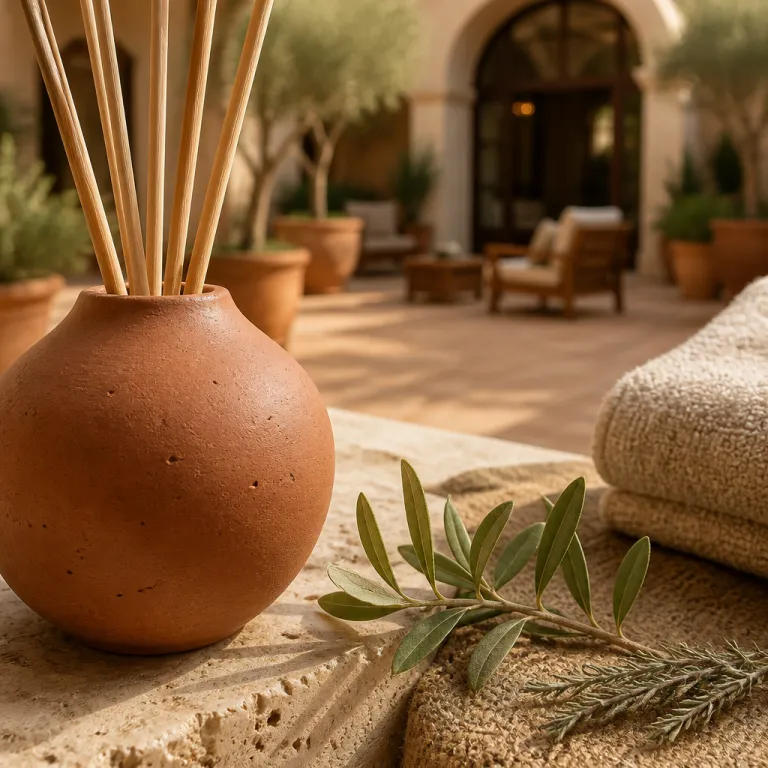
Why hotel scent design now matters as much as the mattress
The first impression of a luxury hotel is often a scent, not a view. Before guests notice the design of the lobby or the price of the room, an invisible fragrance frames the entire hotel experience. For couples choosing between several luxury hotels, that subtle hotel scent can quietly tilt the decision toward the place that already feels like their story.
Across leading hotels, scent marketing has become a deliberate design discipline rather than a background detail. Global properties now work with specialist scent marketing companies and perfumers to create signature fragrances that express brand identity as clearly as the logo. This shift in hotel scent design and olfactory branding reflects a wider anti sameness movement, where hotels reject generic scents in favor of hotel fragrances that feel specific, local and emotionally precise.
Data from the hospitality sector explains why this olfactory focus keeps growing. A study by Mattila and Wirtz (2001, International Journal of Contemporary Hospitality Management) found that guests in pleasantly scented environments were more willing to spend time and money on site, while research summarized by the Scent Marketing Institute reports that around 67 % of hotel guests say a pleasant lobby scent improves brand perception. For a luxury hotel competing in a crowded city, a well judged hotel signature fragrance can be the difference between a stay that fades and a guest experience that lingers in memory long after check out.
From brief to bottle: how hotels create a signature scent
Behind every memorable hotel scent sits a structured creative process, not a random room spray. Hotels usually begin with a detailed brief that translates their design language, guest profile and brand identity into olfactory terms and emotional goals. A property that positions itself as a calm, wellness focused inspired hotel will request very different notes from a high energy urban brand that leans into nightlife.
Specialist scent marketing firms and fragrance designers then translate this narrative into trial fragrances, often presenting several scent options at different price points. Perfumers work with accords and notes that echo the hotel’s materials and colors, using woods, citrus, florals or white tea to mirror the interior design palette. This is where hotel scent design and fragrance branding become tangible, as teams test scents in real spaces, adjusting intensity, diffuser placement and even sale price strategy for future retail products like candles or a scent diffuser.
Seasonal variants add another layer of nuance for luxury hotels that want the hotel experience to evolve across the year. Lighter, greener hotel scents might appear in warmer months, while deeper, spiced fragrances warm public spaces when evenings draw in. For travelers who care about design trends, this attention to olfactive branding signals a hotel brand that curates every sense as carefully as the furniture, aligning with preservation first design values explored in pieces on why new is not always better in hotel design.
The neuroscience of scent, memory and why hotels invest in it
Scent connects directly to the limbic system, the part of the brain that governs emotion and memory. Neuroscience research, including work by Dr. Rachel Herz (2004, Contemporary Perspectives on Classical Conditioning), shows that odor cues are especially powerful at triggering vivid, emotionally loaded memories compared with visual cues. This is why a single fragrance can transport a guest back to a specific hotel lobby faster than any photograph or playlist. For couples who travel regularly, a consistent hotel scent becomes a private shorthand for shared experiences, from late check ins to slow mornings.
Luxury hotels invest in scent branding because it quietly strengthens loyalty and perceived value without adding visible clutter. When a guest associates a signature scent with feeling rested, cared for and slightly elevated, the hotel brand identity gains emotional depth that no marketing slogan can match. In one internal case study shared by ScentAir, a North American upscale hotel reported a 20 % increase in lobby bar beverage revenue and a measurable lift in guest satisfaction scores after introducing a tailored ambient fragrance program. This illustrates the essence of hotel scent design as a branding tool, where olfactory design works alongside lighting, acoustics and materials to shape mood before a word is spoken.
Neuroscience also explains why restraint matters in hotel fragrances, especially in guest rooms where people sleep and reset. Public spaces can carry a bolder signature scent, while suites often use softer scents or a discreet scent diffuser to avoid fatigue. If you are reading a space and trying to understand its intent, the fragrance is as revealing as the furniture, a point explored in depth in our guide to what hotel design tells you before the staff speak.
From lobby to suite: different scents for different emotional goals
Thoughtful hotels rarely use one fragrance everywhere, because each zone serves a different emotional purpose. The lobby scent sets the tone for arrival, often using bright or comforting notes that signal welcome and ease after a journey. Corridors, lounges and spa areas then adjust intensity and notes to support either movement, conversation or deep relaxation.
In many luxury hotels, the lobby carries the clearest expression of the signature scent, diffused through HVAC systems or discreet standalone diffusers. Guest corridors may soften that fragrance to a whisper, maintaining brand continuity without overwhelming guests who pass several times a day. Inside rooms, some properties shift to a more neutral base, offering optional room spray or a personal scent diffuser so each guest can create their preferred level of olfactory presence.
This zoning approach respects that not every guest wants the same scent experience, especially over several nights. Couples on a romantic stay might enjoy a richer evening room spray, while business travelers may prefer almost no fragrance in the workspace. The best inspired hotel concepts treat scent marketing as a flexible design tool, adjusting hotel scents by floor, time of day and even special events to keep the hotel experience feeling tailored rather than templated.
Icons, missteps and how to choose hotels by their scent philosophy
Certain hotel scents have become almost as famous as the properties themselves, shaping expectations long before check in. The white tea fragrance at Westin hotels, for example, has become a benchmark for clean, uplifting hotel fragrances that guests often buy as candles or room sprays. Collaborations such as Le Labo with Fairmont or custom blends at Aman show how a signature scent can extend a brand into daily life, reinforcing loyalty between stays.
Luxury hotels like Ritz Carlton properties often use scent branding to underline their positioning, pairing refined notes with impeccable service rituals. Many guests now expect that a luxury hotel will offer its signature scent for purchase, whether as a scent diffuser, room spray or bath amenity at a considered sale price. As perfumer Christophe Laudamiel has noted in interviews about hospitality projects, a well crafted ambient fragrance can become “liquid architecture,” shaping how guests move through and remember a space. This retail layer turns hotel scent design and fragrance branding into a revenue stream, while giving guests a way to recreate a favorite guest experience at home.
When scent goes wrong, though, it undermines trust quickly through headaches, allergies or simply cloying notes that fight the design. Travelers sensitive to fragrances should always ask about scent free rooms and ventilation, because hotels use specific scents to influence guest emotions and perceptions. For couples choosing where to stay, paying attention to how a hotel talks about its scent philosophy can be as revealing as its spa menu, especially if you value calm as the default luxury, a theme explored in our feature on wellness focused hotel calm.
How to read hotel scent design when booking your next stay
For travelers browsing a premium booking website, scent rarely appears in the filters, yet it shapes every moment of the stay. Reading between the lines of a hotel description can reveal how seriously the property treats olfactive branding and guest comfort. Look for mentions of a signature scent, partnerships with fragrance houses or options for scent free rooms if you are sensitive.
Hotels that speak clearly about scent marketing usually see it as part of a holistic guest experience, not a gimmick. They might reference diffusers in public spaces, personalized room spray menus or eco conscious fragrances that align with wellness and sustainability values. These details signal a brand identity that respects both design and wellbeing, rather than chasing trends with overpowering hotel scents that feel more like a nightclub than a retreat.
When comparing luxury hotels at a similar price, ask how each property uses scent in lobbies, corridors and suites. A bespoke hotel that can explain its fragrance choices, from notes to intensity, is more likely to deliver a coherent hotel experience that matches its visual design. Over time, you will notice that the hotels you remember most clearly are often the ones where the invisible layer of scent design felt as considered as the sheets, the lighting and the way the staff said your name.
FAQ
Why do hotels use scent marketing in the first place ?
Hotels use scent marketing to enhance guest experience and strengthen brand identity, turning an abstract positioning into a tangible feeling. A well chosen hotel scent can make public spaces feel more welcoming, more luxurious or more energizing, depending on the goal. Industry case studies from firms such as ScentAir and Air Aroma show that thoughtfully designed ambient fragrance can increase guest satisfaction scores and dwell time, helping differentiate hotels that might otherwise look similar in photos.
Can hotel scents trigger allergies or discomfort for some guests ?
Yes, hotel fragrances can trigger allergies, headaches or respiratory discomfort for sensitive guests, especially when intensity is too high. Responsible hotels train their équipe to respond quickly, offering scent free rooms or turning off diffusers when requested. If you are sensitive, mention this at booking so the property can prepare an appropriate room.
Are hotel signature scents available for purchase by guests ?
Many hotels offer their signature scents as candles, diffusers or room sprays that guests can buy at a clearly displayed sale price. This allows travelers to recreate part of the hotel experience at home, extending the emotional connection beyond the stay. Some luxury hotels even collaborate with well known fragrance brands to create limited edition products.
How can I tell if a hotel’s scent design will suit my preferences ?
Reading reviews that mention scent, intensity and guest comfort is a practical starting point. You can also contact the hotel directly to ask about their signature scent, diffuser use and whether they provide scent free floors or rooms. Properties that answer clearly usually treat hotel scent design and fragrance branding as a serious part of their guest experience strategy.
What should I do if I dislike the scent in my hotel room ?
If the fragrance in your room feels too strong or simply not to your taste, call the front desk immediately and explain the issue calmly. Many hotels can disable in room diffusers, replace scented amenities or move you to a less fragranced floor. Addressing it early in the stay gives the équipe the best chance to improve your comfort.