The lobby as a manifesto of hotel interior design meaning
Walk into a lobby and you are already reading hotel interior design meaning in action. The scale of the interior space, the way the front office desk sits in the room, and how guests naturally move through the space all reveal what the hotel really values. In luxury hospitality, that first five minutes tells you more than any star rating ever will.
Look first at proportions and layout, because hotel design involves choreography as much as decoration. A lobby that gives generous space to comfortable seating, with clear sightlines between the entrance, guest room elevators, and food and beverage areas, signals that designers have studied how guests actually behave. When interior designers compress circulation to squeeze in a bar or retail corner, you feel it immediately as visual noise and operational stress.
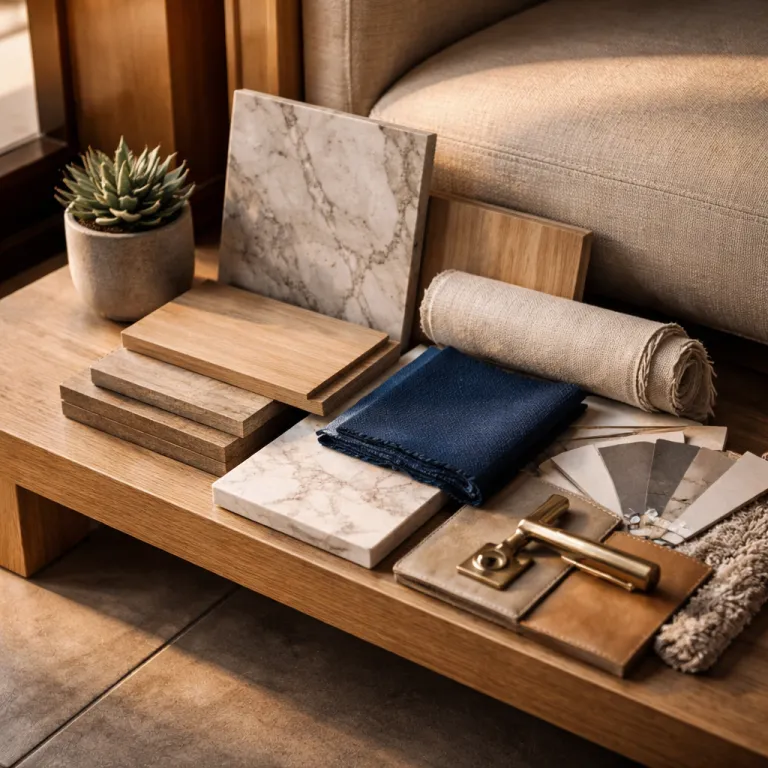
Materials then deepen the design meaning of the place, turning abstract brand promises into tactile reality. Arabescato marble floors paired with antique brass details and soft textiles can express quiet luxury, while upcycled timber and local stone in interior spaces speak to preservation first renovation and sustainability. At Aman Tokyo, for example, architect Kerry Hill used Japanese woods, washi paper, and stone to echo traditional ryokan interiors in a contemporary tower, creating a lobby that feels both serene and unmistakably rooted in its city. When a design hotel chooses generic glossy tiles and anonymous furniture, it usually reflects a business model focused on quick development hotels rather than long term hospitality interior character.
Lighting completes this lobby manifesto and it deserves your close attention. Warm layered lighting that combines natural light, table lamps, and discreet ceiling fixtures shows that the interior designer understands how design elements shape mood and operations. Harsh cool downlights that flatten faces and create glare often indicate that design development stopped at aesthetics, with little thought for staff comfort or guest experience. As lighting designer Roger Narboni notes in professional guidance, well balanced hospitality lighting should support both orientation and relaxation, not just visual drama.
Local materials versus global catalogue luxury
Once you have taken in the lobby, start reading the materials as a guide to authenticity. True hospitality interior practice now leans toward local stone, regional woods, and textiles that reference the surrounding culture rather than a global catalogue of shiny finishes. This is where hotel interior design meaning becomes either rooted in place or lost in generic aspiration.
Run your hand along a wall or table edge and notice how the surface feels under your fingers. When designers specify local lime plaster, handwoven rugs, or ceramics made in nearby workshops, they are anchoring interior spaces in the destination and supporting the regional hospitality industry. By contrast, when hotels rely on identical veneers and mass produced art, the space could be anywhere, which weakens both guest memories and long term business differentiation.
Preservation first renovations, where existing structures and materials are carefully retained, add another layer to this design meaning. Reused beams, original stone staircases, and restored terrazzo floors quietly signal that design development has considered embodied carbon and heritage, not just visual impact. At The Ned in London, for instance, the design team retained Sir Edwin Lutyens’ 1920s banking hall columns and marble while inserting new hospitality functions, demonstrating how adaptive reuse can protect character and reduce demolition waste. For a solo guest, these details change how you feel about your own stay, because you sense that the hotel’s development work respects both history and environment.
Food and beverage areas are a particularly clear test of this local versus global tension. A restaurant that uses regional woods, open shelving with local ceramics, and lighting that flatters both plates and faces usually reflects close collaboration between the interior designer, the chef, and the operations équipe. When the food space looks like a generic airport lounge, you can expect the menu and service style to follow the same anonymous pattern.
Lighting, art, and the emotional script of interior spaces
Lighting is the quiet narrator of every hotel interior and it shapes your emotional response before you notice any furniture. In well considered hotel designs, design elements such as wall washers, floor lamps, and concealed LED strips work together to guide your eye and calm your nervous system. Poorly planned lighting, by contrast, can make even expensive interiors feel flat, cold, or strangely tense.
Notice the temperature of the light in guest rooms and corridors, because it reveals a lot about priorities. Warm white lighting with dimming options suggests that interior designers have thought about how guests read, work, and rest at different times of day. Overly cool lighting in spaces where you relax often points to a specification driven by cost or maintenance rather than by hospitality interior experience. Industry surveys from organizations such as the International WELL Building Institute consistently link warmer, adjustable light to better perceived comfort and sleep quality.
Art choices add another layer to hotel interior design meaning and they are surprisingly easy to decode. Original works by local artists, curated with a clear narrative, show that the hotel and its designers see art as part of the interior design story rather than filler. Repeated prints or bulk purchased canvases usually indicate that art was added late in the design development process, with minimal duties and responsibilities assigned to anyone for curation.
Pay attention to how art and lighting interact in spaces where you linger, such as lounges, food and beverage bars, or co working corners. When each piece is individually lit and scaled to the wall, the space feels intentional and you sense that the interior designer has coordinated closely with the lighting designer and the operations staff. If artworks sit in shadow or glare, it often mirrors a wider lack of coordination between design, business objectives, and day to day spaces work.
Corridors, guest rooms, and the truth behind the styling
The journey from lobby to guest rooms is where hotel interior design meaning either holds together or quietly unravels. Corridors are not just leftover space; they are the connective tissue of hospitality interior experience. When these spaces feel narrow, over lit, or acoustically harsh, you are seeing the limits of the original hotel design brief.
Look at corridor carpets, door hardware, and signage, because they reveal how seriously designers and owners take long term operations. Durable yet tactile materials, clear wayfinding, and thoughtful lighting levels show that design involves more than photo ready moments. Thin doors, echoing floors, and confusing numbering systems usually mean that duties and responsibilities were not fully aligned between the interior designer, the architect, and the hotel management équipe.
Inside the room, start with the plan rather than the pillows. A well resolved hotel interior will give you a clear circulation route, a generous work surface, and intuitive access to storage, all within the available space. When the bed blocks the window or the desk is squeezed into a dark corner, you are experiencing the consequences of rushed design development and limited testing with real guests.
Then assess how the room supports the different modes of a solo traveler’s stay. You might need to work, eat simple food, stretch, and sleep deeply, all in one compact interior space. If lighting, furniture, and technology are arranged so that you can shift between these activities without moving half the room, you are in a property where interior designers have genuinely understood both guest needs and staff operations.
A solo traveler’s five minute guide to reading any hotel
When you arrive alone, those first minutes in a new hotel carry extra weight. You are assessing safety, comfort, and whether the interior spaces align with the purpose of your trip. A simple mental checklist can help you read hotel interior design meaning quickly and make better decisions about future stays.
First, pause just inside the entrance and scan the lobby as a whole. Ask yourself whether the space feels legible, with a clear route to the front office, guest rooms, and any visible food and beverage outlets. If you see staff moving smoothly and guests settling comfortably into different zones, it is a sign that design elements and operations have been planned together.
Second, notice how the interior design supports both privacy and sociability. Are there places where a solo guest can sit with a laptop without feeling exposed, as well as livelier spaces for a drink or casual food? Hotels that balance these needs tend to have worked closely with hotel interior designers from concept development through evaluation, using spatial planning, material selection, and lighting design as strategic tools.
Third, take a quick look at practical details that reveal the underlying business mindset. Check whether the front office desk height allows easy eye contact, whether signage is clear, and whether staff seem empowered to move through the space rather than trapped behind counters. These clues tell you how design hotel ambitions, hospitality industry realities, and day to day work have been reconciled in the final interior spaces.
How hotel interior design meaning shapes operations and your stay
Behind every calm lobby and well lit corridor lies a network of decisions about work, logistics, and long term development. In professional practice, “What is hotel interior design?” is answered as “Art and science of designing hotel interiors.” and “Why is hotel interior design important?” is answered as “Enhances guest experience and reflects brand identity.” which underlines how closely aesthetics and operations are linked. For travelers, understanding this connection helps you predict how a stay will actually unfold.
Thoughtful hotel designs integrate back of house routes, storage, and service points so that staff can move efficiently without breaking the visual calm of guest areas. When design involves early collaboration between interior designers, architects, and hotel management, duties and responsibilities are clearly mapped and spaces work better for everyone. You notice it as prompt room service, quietly reset lounges, and food and beverage venues that feel effortlessly prepared at every service.
From a development perspective, the most successful development hotels treat interior design as a long term asset rather than a one time styling exercise. They invest in flexible interior spaces that can adapt to new hospitality industry trends, from smart room technology to evolving food concepts. This approach aligns with sustainable design thinking, where preservation first renovations and careful material choices extend the life of both the building and the brand. Research cited by WATG Advisory and Six Senses suggests that properties with strong design narratives and durable finishes often achieve higher guest satisfaction scores and better long term RevPAR performance.
For solo travelers who care about how things are made, even small details can be telling. A minibar stocked with thoughtful local products, a compact but well equipped pantry corner, or cast iron cookware in an extended stay suite all speak to a property that respects the rituals of eating and living well on the road, and you can explore this mindset further through a refined travel kitchen perspective at this in depth guide to elevated in room cooking tools. When you start reading hotel interior design meaning through this operational lens, you quickly distinguish between places built for photographs and places built for real, repeatable stays.
FAQ about hotel interior design meaning for travelers
What is the basic meaning definition of hotel interior design?
The basic meaning definition of hotel interior design is the art and science of shaping interior spaces in hotels so they are functional, comfortable, and aligned with the property’s brand. It covers everything from spatial planning and lighting to materials, furniture, and artwork. For guests, it is the invisible framework that determines how easily you move, rest, work, and socialize during your stay.
How does interior design affect my experience as a solo guest?
Interior design affects your experience by controlling how safe, welcome, and supported you feel in each space. Thoughtful layouts, warm lighting, and well placed work surfaces make it easier to check in, answer emails, eat simple food, and relax without friction. When these design elements are neglected, even a visually impressive hotel can feel tiring or disorienting for a solo traveler.
What should I look for in guest rooms to judge design quality?
In guest rooms, focus on layout, lighting, and storage before you look at styling. A good room offers a clear circulation route, a comfortable place to work, and intuitive access to switches, outlets, and luggage space. If you can read, eat, and rest without rearranging furniture or hunting for controls, the interior designer has done their work well.
Why are local materials important in hotel interiors?
Local materials give hotel interiors a sense of place and often reduce environmental impact by cutting transport and supporting preservation first renovation strategies. Stone, wood, textiles, and ceramics sourced from the region connect the interior spaces to local culture and craft traditions. For guests, these choices make the stay more memorable and help distinguish one property from another in a crowded hospitality industry.
How can I tell if a hotel’s design supports good operations?
You can often tell by watching how staff move and how smoothly services run. Clear routes for room service, discreet storage for equipment, and well positioned front office desks indicate that design involves close coordination with operations. When you see constant bottlenecks, clutter in public spaces, or staff struggling with basic tasks, it usually reflects weaknesses in the original design development.
References
WATG Advisory; Six Senses; Hotel Development Guide; International WELL Building Institute; Aman Tokyo by Kerry Hill Architects; The Ned London by Soho House & Co and EPR Architects.