Why hotel room sleep design now starts with circadian lighting technology
Sleep tourism has shifted from spa rhetoric to measurable room engineering. A serious hotel now treats hotel room sleep design circadian lighting technology as core infrastructure, not a decorative upgrade, because guests increasingly judge stays by how rested they feel the next day. For couples planning a romantic escape, that means the room either supports your circadian rhythm or quietly works against your body all night.
At the top end of luxury hotels, lighting is now specified with the same care once reserved for marble and art. Designers map how every light in the room will affect light exposure across the full day and night, then program a lighting system that changes color temperature and intensity to track natural circadian rhythms. The goal is simple but technical ; align artificial lighting with the body clock so guests fall asleep faster, enjoy longer sleep duration and wake with less grogginess.
True circadian lighting goes far beyond dimmers and warm bulbs. It uses tunable white LEDs and enriched light spectra that shift from blue enriched daylight tones to amber evening hues, creating dynamic lighting scenes that cue the sleep wake cycle without guests needing to think about control at all. When hotel room lighting design is done properly, couples feel the difference in sleep quality even if they never learn the term circadian lighting technology.
The anatomy of a sleep engineered hotel room
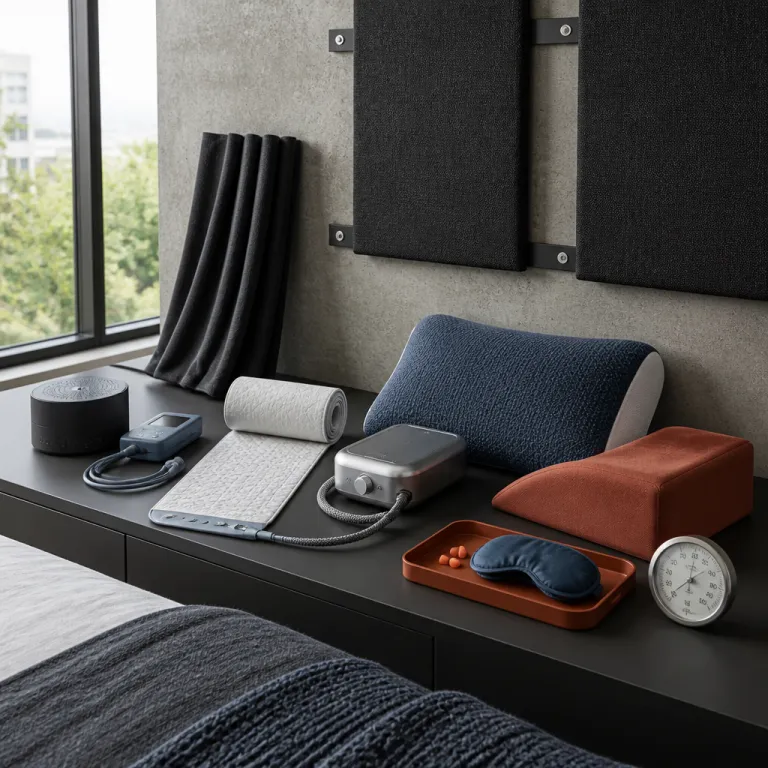
A room engineered for sleep starts with light, but it never ends there. Architects, lighting design consultants and sleep specialists now work together on hotel room layouts where bedroom lighting, acoustics, temperature and air quality form one integrated system serving the guest rather than separate décor decisions. The most advanced hotels treat the bedroom as a calibrated sleep lab that still feels sensual and romantic, not clinical like a space for patients.
Look at the way a leading luxury hotel layers room lighting today. Ceiling fixtures provide bright, blue enriched enriched light in the morning to stimulate the body, while bedside lamps shift to warm tunable white in the evening to protect melatonin and prepare guests for night. Under bed guides and bathroom night lights use extremely low color temperature levels so you can move around the bedroom at any time without harsh light exposure that snaps you awake.
Sound and temperature quietly complete the sleep equation. Proper insulation and sound masking reduce urban noise so even light sleepers maintain longer sleep duration, while precise climate control keeps the bedroom between about 18 and 20 °C, which most sleep experts consider optimal. When these elements work with circadian lighting systems rather than against them, couples feel cocooned in a hotel room that seems to read the body and respond in real time.
For evening dining that respects this rhythm, some properties now extend the same thinking into their restaurants. Menus, service pacing and even dining room lighting are being reconsidered, as explored in this guide to hotel restaurants rethinking what dinner means, which matters when late heavy meals can delay sleep and disrupt circadian rhythms.
Circadian lighting systems: how color, timing and control shape your night
Circadian lighting systems are built around one biological fact ; your eyes are not just cameras, they are timekeepers. Special receptors respond strongly to blue light, sending signals that reset the circadian rhythm and tell the body whether it is day or night, which is why a phone screen at the wrong time can sabotage sleep. Hotels now use this science to program room lighting that supports the sleep wake cycle instead of fighting it.
In practice, a circadian lighting system will deliver bright, cool white enriched light in the morning, often above 5000 Kelvin in color temperature, to mimic a clear sky and boost alertness. As day moves toward evening, the same tunable white fixtures gradually warm toward 2700 Kelvin or lower, reducing blue enriched wavelengths and allowing melatonin to rise so guests feel naturally sleepy. The most advanced lighting systems automate this dynamic lighting curve, while still giving guests manual control for reading, romance or work.
For couples, the benefit is subtle but powerful. You return to the hotel room after dinner and find bedroom lighting already softened, with indirect light washing the walls instead of glaring down from the ceiling, which keeps light exposure gentle on the body and mind. By the time you switch off the last lamp, circadian rhythms are aligned with local time, so jet lag shortens and sleep quality improves without any conscious effort.
This same philosophy of invisible but intelligent technology is reshaping other parts of the stay. If you are curious how luxury properties hide complex systems behind a calm guest experience, the analysis on unplugged luxury hotels spending more on technology so guests see less of it shows how lighting, air and sound control now sit behind the scenes, quietly serving rest and recovery.
From marketing to measurable sleep: what actually works in real rooms
Not every hotel sleep program delivers more than a scented pillow menu and a wellness brochure. When you strip away the language, the elements that reliably improve sleep quality are consistent ; circadian lighting that respects the body clock, serious acoustic insulation, stable temperature and bedding that supports the spine without trapping heat. Everything else is garnish unless it changes how your body moves through the night.
The collaboration between Lotte New York Palace Hotel and Swedish bed maker Hästens is a useful benchmark for what serious investment looks like. Their Hästens Ultimate Sleep Suite is literally designed around a Hästens Vividus bed that costs about 200 000 USD, with the suite itself starting around 10 000 USD per night, and the room adds soundproofing materials plus ambient lighting controls to protect sleep duration. The project was built with sleep experts and interior designers, showing how hotels can align lighting design, materials and acoustics when they treat sleep as the main event rather than a side benefit.
Guests booking this kind of room are not paying for a gimmick. They are buying a controlled environment where bedroom lighting, room lighting and the lighting system are tuned to support circadian rhythms, while the mattress and linens keep the body in neutral alignment across the whole night. For couples, that means fewer wake ups, less negotiation over temperature and a better chance that both people step into Midtown the next day feeling genuinely restored.
If your taste leans toward heritage properties with a quieter approach to technology, look for legacy lodges that still take sleep seriously. Many of the refined stays highlighted in this guide to legacy lodge escapes for meaningful stays now integrate discreet room lighting upgrades, improved acoustic control and high quality bedding, even when the aesthetic remains resolutely classic.
How to read between the lines when booking a sleep focused hotel room
When you scan hotel descriptions, the language around sleep can be vague. To separate genuine hotel room sleep design circadian lighting technology from marketing, look for specific mentions of tunable white or dynamic lighting, blackout engineering, decibel rated soundproofing and independent mattress testing, not just soft adjectives. A serious property will explain how its lighting systems change across the day and night, and how guests can adjust control scenes without needing a manual.
Pay attention to how the hotel describes bedroom lighting and room lighting in detail. If they mention circadian lighting, ask whether the lighting system reduces blue light in the evening and increases blue enriched light in the morning, and whether these changes follow local time automatically or require manual control. Clarify whether bedside switches are intuitive, because nothing ruins sleep quality faster than hunting for the right light at three in the morning.
Also look for evidence that the hotel understands the body as more than a marketing metaphor. References to measured sleep duration, sleep wake patterns and guest feedback on rest are more meaningful than generic wellness language about relaxation, and some properties now share anonymized data from wearables to show real improvements. When hotels talk about patients rather than guests in their partnerships with clinics or sleep labs, it often signals that medical grade thinking has informed the design, even if the final room still feels like a seductive bedroom rather than a treatment space.
Designing for couples: when two circadian rhythms share one bedroom
Couples bring two different circadian rhythms into one shared bedroom. A hotel room engineered for sleep has to respect that one guest may be a lark and the other an owl, while both still want a romantic atmosphere and a sense of retreat. The smartest hotel room sleep design circadian lighting technology now builds in layered control so each body can get the right light at the right time.
Look for rooms where bedside lamps, reading lights and bathroom guides can be controlled independently. That allows one person to enjoy enriched light for late reading while the other rests in near darkness, with bedroom lighting carefully shielded so it does not spill across the pillow, and the overall lighting design still feels coherent. Under bed night lights triggered by motion sensors are particularly helpful, because they provide low level white or amber light exposure that protects the sleep wake cycle for both guests.
Temperature and sound follow the same principle of personalisation. Dual zone climate control lets each side of the bed find a comfortable level, while acoustic treatments and sound masking keep external noise from disturbing either sleeper during the night, which supports longer sleep duration for both. When hotels combine this with circadian lighting systems that track local day and evening patterns, couples experience a room that quietly negotiates between two bodies and two schedules without sacrificing intimacy.
Key statistics shaping sleep engineered hotel rooms
- One leading New York luxury property invested in a Hästens Vividus bed valued at about 200 000 USD for its flagship sleep suite, signalling how far hotels will go to anchor sleep quality at the very top of the offer.
- The same Hästens Ultimate Sleep Suite at Lotte New York Palace Hotel starts around 10 000 USD per night, positioning sleep as a primary luxury amenity rather than a secondary benefit of the room rate.
- Industry analysts tracking wellness travel report that sleep tourism is now one of the fastest growing segments in high end hospitality, with more hotels launching structured sleep retreat packages that combine circadian lighting, guided recovery and smart bedding.
- Architects designing new luxury hotels increasingly specify tunable white and dynamic lighting systems as standard in premium rooms, reflecting a shift from static bedroom lighting toward circadian responsive room lighting that changes across the day.
- Properties collaborating with medical sleep centres report stronger demand for rooms that integrate circadian lighting, soundproofing and air quality control, as guests seek measurable improvements in sleep duration and next day alertness.
FAQ: hotel rooms engineered for sleep
What makes a hotel room genuinely engineered for sleep ?
A room engineered for sleep combines circadian lighting, serious acoustic insulation, precise temperature control, high quality bedding and good air quality in one coherent design. The lighting system should shift color temperature and intensity across the day and night to support circadian rhythms, while blackout solutions and quiet ventilation protect sleep duration. When these elements work together, guests experience deeper sleep and better morning alertness than in a standard room.
How does circadian lighting in hotels actually work ?
Circadian lighting in hotels uses tunable white LEDs and programmed scenes to mimic the natural progression of daylight. In the morning, the room delivers brighter, cooler white enriched light with more blue light to signal daytime to the body, then gradually warms and dims toward evening to protect melatonin and prepare for sleep. The best systems automate this dynamic lighting curve while still allowing guests to adjust control scenes for reading, work or relaxation.
Are expensive sleep suites like the Hästens Ultimate Sleep Suite worth the price ?
For travellers who value sleep as their primary luxury, suites like the Hästens Ultimate Sleep Suite at Lotte New York Palace Hotel can be compelling. They combine a Hästens Vividus bed costing about 200 000 USD with advanced soundproofing, ambient lighting controls and carefully curated materials to maximise comfort and minimise disturbance across the night. The value depends on your budget and priorities, but the engineering behind these rooms goes far beyond standard hotel upgrades.
Do hotel sleep programs really improve sleep or is it just marketing ?
Some hotel sleep programs are mostly marketing, while others deliver measurable benefits. Programs that invest in circadian lighting systems, acoustic design, temperature stability and evidence based bedding tend to show real improvements in guest reported sleep quality and next day energy. The most credible properties often collaborate with sleep experts or medical centres and share clear details about how their rooms support the sleep wake cycle.
What should couples look for when booking a sleep focused room ?
Couples should prioritise rooms with layered bedroom lighting, intuitive control panels and independent bedside lights so each person can manage light exposure without disturbing the other. Dual zone climate control, strong soundproofing and high quality mattresses that limit motion transfer also matter for shared sleep duration. When possible, choose hotels that explain how their lighting design supports circadian rhythms, especially if you are crossing time zones and want to adapt quickly.
References
- Hästens official information on the Vividus bed and natural material construction.
- Lotte New York Palace Hotel communications on the Hästens Ultimate Sleep Suite and its amenities.
- Wellness and sleep tourism reports from the Global Wellness Institute and similar industry bodies.