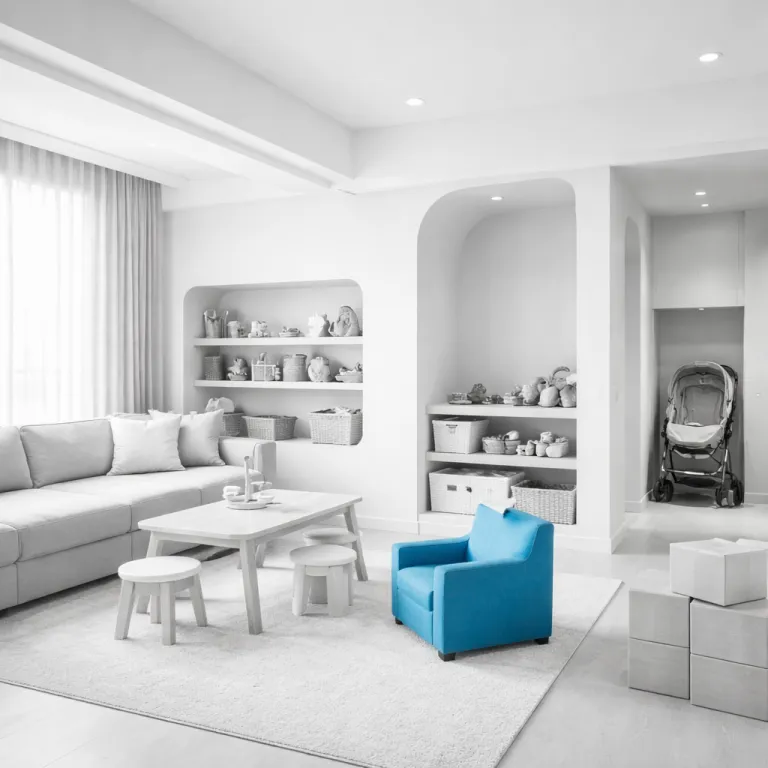
The end of the false choice for design minded families
For a long time, choosing a family stay meant sacrificing aesthetics. Many hotels treated any family friendly request as a reason to roll in extra beds and bright plastic, diluting the original design concept. Luxury family friendly hotel design now argues that a hotel can welcome a family without losing its sense of place, as seen at properties such as the Four Seasons Hotel George V in Paris or the Rosewood London, where family suites still feel like carefully curated apartments.
Across leading hotels, designers and operators finally accept that parents want a refined hotel experience while children need space to play and sleep well. Hotel designers, interior design studios and childcare specialists now collaborate from the first sketch, so the hotel concept integrates family needs instead of bolting them on later. This shift is visible in everything from lobby layouts and crowd flow management to how spa rooms, dining rooms and view focused suites frame the city or landscape for all ages.
Data from recent luxury hospitality surveys, including reports from organisations such as Virtuoso and the American Hotel & Lodging Association, shows that a growing share of hotels will now invest in child friendly services because premium family travel spending has risen significantly. Virtuoso’s 2023 Luxe Report, for example, highlighted multigenerational trips as a top trend, while AHLA’s 2023 State of the Hotel Industry noted that leisure and family travel demand remains above pre pandemic levels. That investment goes beyond a token playroom and into thoughtful nightly room pricing, flexible family packages and technology such as intuitive room controls that even tired parents can manage after a late night arrival. When you check into a modern luxury hotel as a family, you should feel that the property was planned around you, not merely adjusted for you.
How rooms are evolving for design led families
The most interesting luxury family friendly hotel design work happens behind the guest room door. Instead of one large room with three beds, hotels now favour interconnecting rooms and suites that separate adult and child zones while keeping everyone close. This approach respects privacy for parents and gives children a sense of independence, especially during longer stays of several nights.
In well considered family room layouts, you will often find a generous living room that feels like a residential salon rather than a temporary overflow solution. Sliding panels, acoustic doors and clever storage keep toys, buggies and luggage out of sight, preserving the calm lines of the interior design. Some luxury hotel suites even add small study nooks for teens, while spa rooms within the suite allow parents to enjoy treatments after the children sleep, without leaving the room.
Technology plays a quiet but important role in this new hotel concept for families. Central room controls dim lights in separate rooms, manage blackout blinds and adjust temperature without waking a sleeping child, which transforms the night routine. At the Four Seasons Hotel George V, for instance, the two bedroom and three bedroom suites combine separate sleeping wings with discreet lighting scenes and sound insulated doors, so adults can entertain while children rest. When you check the floor plan before booking, look for suites in view driven hotels that orient family friendly accommodation toward calmer courtyards or city skylines, because a soothing view can be as valuable as an extra square metre.
Dining that respects both palates and design
Food is where many family friendly hotels once failed families, either by pushing them into early sittings or by hiding them in back rooms. The new generation of luxury hotel dining spaces treats families as part of the community, not an afterthought. Thoughtful dining experience planning allows a couple to enjoy a serious wine list while their children eat comfortably and behave naturally.
Instead of a separate laminated kids menu, some of the best hotels now offer smaller portions of signature dishes, alongside genuinely child friendly options cooked with the same care. This inclusive dining concept keeps the restaurant’s interior design coherent, because there is no need for a second, cartoon themed room. At Rosewood London, for example, the main restaurant offers a children’s menu that mirrors adult favourites and provides colouring sets at the table, so younger guests feel welcome without disrupting the brasserie style setting. When you check menus online, pay attention to whether the hotel offers guests flexible seating times and whether the dining room layout allows a family to sit slightly apart from the busiest high traffic zones.
Breakfast is often where luxury family friendly hotel design quietly shines. Generous banquettes, pram friendly circulation and natural light with a relaxed city or garden view make mornings feel unhurried, even when you have a flight to catch that night. Parents increasingly share these details on Instagram and Facebook, so browsing recent images can reveal how well a hotel experience balances style with genuine family friendly service during every meal.
Location, city energy and the role of the surroundings
Design conscious parents rarely want to spend every hour inside hotels, no matter how polished the lobby. They look for a city or resort where the streets, parks or beaches carry some of the entertainment load. Luxury family friendly hotel design now extends beyond the building envelope into the neighbourhood map.
In New York City, for example, a well placed luxury hotel can turn a short stay into an effortless urban adventure. Properties near the High Line, Central Park or the quieter edges of the city allow families to step straight into playgrounds, museums and river walks without long transfers. When you check locations, think about how many child friendly activities lie within a ten minute walk, because that distance often defines whether a plan feels realistic after a long travel day.
Resort hotel family strategies follow the same logic, using nature as an outdoor lobby where children can roam safely while adults enjoy the view. Some safari camps and mountain lodges now weave educational wildlife or ecology programs into their hotel experience, proving that a luxury hotel can be both playful and serious. If you care about thoughtful details, read the property’s privacy policy as well, because transparent handling of family data signals the same respect you expect in physical spaces.
The premium family checklist for age smart luxury
Parents booking a design led family friendly stay need a sharper checklist than a simple star rating. Start with the basics of luxury family friendly hotel design; look for flexible room types, interconnecting doors and clear descriptions of how many guests each room genuinely accommodates. A property that explains its hotel concept in plain language usually delivers a more coherent hotel experience on arrival.
Age matters, so filter family friendly hotels by how they treat toddlers, school age children and teens rather than by a generic family label. Toddlers need safe room controls, blackout blinds and easy access to quiet spa rooms for parents, while older children care more about community focused activities and fast Wi Fi. Teenagers often value a strong city connection, so view led hotels in New York or another cultural hub, with easy transport and inspiring public spaces, can feel more luxurious than remote resorts.
Finally, consider how a property communicates beyond its own website. A hotel that shares thoughtful behind the scenes stories on Instagram and Facebook, responds politely to reviews and clearly explains what it offers guests usually handles real world requests with similar care. For travellers who enjoy refined self catering, high quality in room cookware and proper kitchenettes in family suites can transform a simple night away into a relaxed, apartment style stay, especially during longer trips when families prefer to dine in.
FAQ
What amenities do luxury family friendly hotels offer?
What amenities do luxury family-friendly hotels offer? Spacious suites, childcare services, and family activities. In practice, that often means interconnecting rooms, supervised play sessions, thoughtful dining options and sometimes spa rooms with flexible hours for parents. When you check a property, look for clear information about these services rather than vague promises.
How should I choose a luxury hotel suitable for my family?
How to choose a luxury hotel suitable for families? Look for family packages, child-friendly amenities, and positive reviews. Beyond that, study floor plans, confirm whether the hotel offers guests age appropriate activities and read how other families describe noise levels, service style and the surrounding city.
Are luxury family friendly hotels always more expensive?
Are luxury family-friendly hotels more expensive? They may have higher rates but offer value through tailored services. When you compare hotels, factor in what is included per night, such as breakfast, activities or transfers, because a higher nightly rate can still represent better value for a design conscious family.
What should I research before booking a family stay?
Research hotel amenities before booking. Check for family packages. Inquire about childcare services. It is also wise to read the privacy policy, confirm flexible cancellation terms and ask specific questions about room layouts, from bed types to balcony safety and view orientation.
Which design details matter most for families in a luxury hotel?
For most families, the crucial design details are generous storage, intuitive room controls and layouts that separate sleeping and living zones. Good interior design hides clutter, softens noise and frames a calming view, whether of a city skyline or a garden. When these elements align with attentive service, the result is a luxury hotel stay that feels both beautiful and genuinely family friendly.