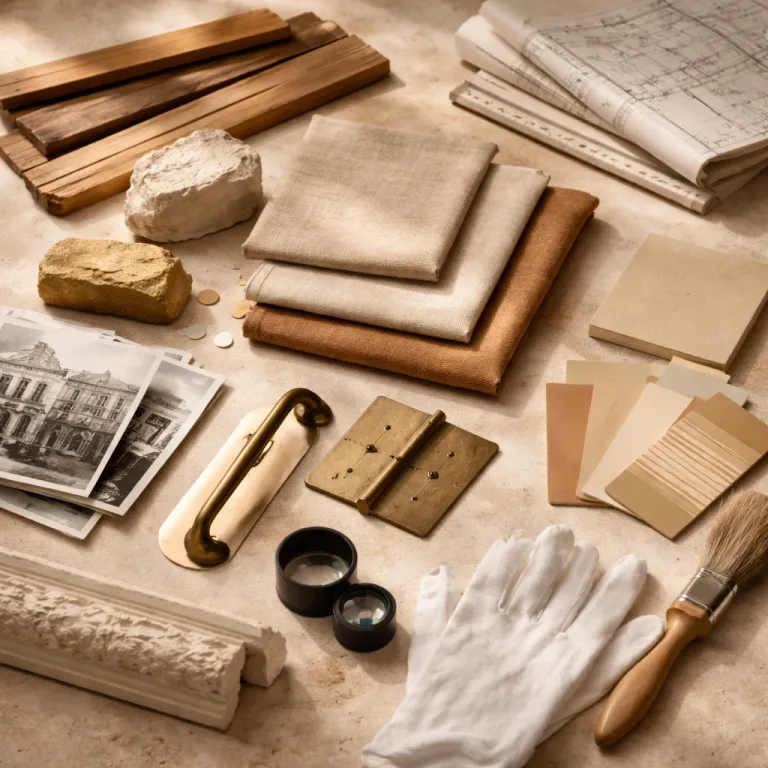
Why preservation first design makes historic hotels feel so alive
Preservation first historic hotel renovation design starts with a simple question. What parts of a historic building already work beautifully, and where does a sensitive design intervention genuinely improve comfort for guests? This mindset treats every cornice, every worn stone stair, and every wooden handrail as part of the story you are about to book into.
Architects, engineers, interior designers, and preservationists now collaborate as a single team, weighing each original detail against modern expectations. They use historical records, building information modelling (BIM), and laser scans to map every structural beam and every wooden panel before a single wall is moved, which keeps the project focused on genuine historic preservation rather than cosmetic nostalgia. When you arrive at a restored landmark hotel, the lobby may feel dramatically fresh, yet the proportions, the light, and the view down a corridor still echo the building’s first life.
This approach has a powerful environmental logic as well as aesthetic appeal. Preservation first renovations typically reuse the existing structure and enclosure, which means the embodied carbon locked into the masonry, steel, and wood stays in place instead of being demolished and replaced. Studies cited by organisations such as the National Trust for Historic Preservation and the World Green Building Council indicate that reusing buildings can avoid a large share of construction related emissions, making a carefully restored historic hotel not only more atmospheric but often the greener choice than a comparable new building on the same historic places register.
The carbon case for choosing a renovated historic hotel
When you book a hotel that has been carefully restored, you are quietly voting for lower carbon travel. Preservation first historic hotel renovation design often delivers embodied carbon savings of roughly fifty to seventy five percent compared with demolishing and rebuilding a similar size property, because the heavy structure and much of the enclosure are reused rather than recast. Analyses by groups like Architecture 2030 and the American Institute of Architects support this order of magnitude, showing that retaining existing structures can dramatically cut lifecycle emissions. That single decision can outweigh many smaller sustainability gestures, from refillable amenities to low flow showers.
Engineers reinforce historic buildings from within, threading new services through existing walls and floors instead of stripping everything back. This structural strategy keeps more original wood, stone, and brick in place, which preserves the tactile character you feel underfoot while also extending the building’s life for decades. Industry case studies suggest that the average cost of a major historic hotel renovation project can reach around twenty million dollars for a full service property, yet that investment often unlocks an extra generation or two of use without the carbon spike of a new build.
For travellers, the sustainability story becomes tangible in the details you actually see and touch. You might notice original wooden beams left exposed above a contemporary dining room, or a hotel restaurant that occupies what was once a station concourse or a grand banking hall. Well known examples include the Union Station Hotel in Nashville, the Fairmont Le Château Frontenac in Québec City, and the Chicago Athletic Association Hotel, all of which reuse significant historic fabric. When you choose these historic hotels over anonymous new hotels, you are helping keep historic buildings on the national register of protected structures in active, energy efficient use across the United States and beyond.
From stations to convents: how different historic buildings shape your stay
Not all historic buildings tell the same story, and that is where the romance begins. A former union station reborn as a hotel often keeps its soaring concourse, long sightlines, and dramatic clock, so your first view on arrival feels cinematic rather than merely efficient. By contrast, an old city inn with creaking stairs and low ceilings offers intimacy, with each room shaped by the irregular geometry of the original structure.
Industrial conversions bring a different energy to historic hotel renovation design. Think of a brick warehouse in San Antonio turned into a design forward suites property, where tall windows flood the interior with light and original wooden trusses frame a double height dining room. Religious and governmental buildings, from convents to former city halls, often lend themselves to a revival style of interior design, with cloistered courtyards becoming quiet hotel gardens and council chambers transformed into dramatic hotel restaurant spaces.
Some of the most characterful historic hotels in the United States occupy addresses that once defined their neighbourhoods. A plaza hotel on a main square might retain its arcaded ground floor and carved stone façades, while a property like a hypothetical Hotel Louis could weave subtle references to Louis era craftsmanship into its interior details. When you book these hotels, you are not just reserving a room; you are stepping into a layered project of adaptive reuse that keeps historic places active rather than frozen as museum pieces.
Inside the rooms: how interior designers balance comfort and character
Behind every successful historic hotel renovation design sits a team of interior designers who understand restraint. Their task is to frame the original features of a historic building, not smother them with trend led décor or generic boutique styling. That might mean leaving a wall of bare brick untouched while introducing quietly luxurious textiles, or restoring a carved wooden staircase and pairing it with contemporary lighting.
In many historic hotels, the most memorable spaces are the dining room and the suites where couples actually unpack. A former station waiting room might become a candlelit restaurant with velvet banquettes, while an old inn layout is reimagined so that the bed faces the best view of a plaza or river. The design tension is constant; historic constraints sometimes limit bathroom sizes or window positions, yet those same constraints force creative solutions like split level rooms, pocket doors, or freestanding tubs placed under original arched windows.
Thoughtful interior design also extends to the quiet infrastructure you rarely notice. Acoustic upgrades hide within wooden floors and plaster walls, modern climate systems slip behind panelling, and subtle lighting highlights architectural details without turning your room into a stage set. When you read that a property appears on the national register or another register of historic places, you can expect that this kind of careful work has been done to meet safety and comfort standards while respecting the building’s soul.
How to choose and book the right historic hotel for a romantic stay
For couples using a luxury booking website, the key is to read between the lines of each hotel description. Look for language that emphasises historic preservation, original materials like wood and stone, and a clear narrative about the building’s former life as a station, an inn, or a civic landmark. Phrases such as “architectural restoration”, “adaptive reuse”, and “interior redesign” usually signal a preservation first historic hotel renovation design rather than a superficial makeover.
Before you book, study the photo galleries with a critical eye. Do you see genuine historic details in both the public areas and the rooms, or only in one showpiece lobby while the rest feels like interchangeable boutique hotel styling? Pay attention to the dining room and hotel restaurant images, because these spaces often reveal whether the project respects the building’s proportions or has imposed a generic international style that could belong to any hotels anywhere.
Once you arrive, lean into the history. Research the hotel’s story in advance, ask about guided tours that explain the renovation, and request a room that showcases restored features such as wooden beams, original tiled floors, or a view over a recognised historic district. If you enjoy thoughtful objects, you may also appreciate how some properties extend this ethos into their kitchens and suites, choosing enduring pieces like cast iron cookware similar in spirit to the refined travel kitchen essentials explored on this guide to elevated in room cooking.
FAQ
What is the purpose of historic hotel renovation ?
What is the purpose of historic hotel renovation? To preserve historical significance while updating facilities for modern use. In practice, that means keeping as much of the original building fabric as possible while upgrading safety, comfort, and services to current standards. For guests, the result is a stay that feels both authentically historic and quietly contemporary.
How long does a typical historic hotel renovation take ?
How long does a historic hotel renovation take? Duration varies; typically 1-3 years depending on project scope. Complex projects involving structural reinforcement, façade restoration, and full interior redesign can sit at the upper end of that range, especially when the property appears on a national register of protected historic places. Shorter timelines are usually reserved for lighter touch refurbishments where the structure remains sound.
Are historic hotel renovations usually more expensive than new construction ?
Are historic hotel renovations more expensive than new constructions? Often, due to preservation requirements and unforeseen challenges. Working within an existing historic building involves intricate structural work, specialist craftspeople, and careful coordination with preservation authorities, all of which add cost. However, the long term value of a distinctive historic hotel, both financially and culturally, often justifies that higher initial investment.
Can a historic hotel be energy efficient and sustainable ?
Can historic hotels be made energy-efficient? Yes, through careful integration of modern energy-saving technologies. Preservation first historic hotel renovation design typically improves insulation, glazing, and building services while retaining the main structure, which preserves embodied carbon. For travellers, choosing these hotels can be one of the most effective ways to align a romantic city break with lower impact travel.
How can I make the most of staying in a renovated historic hotel ?
Guests are often advised to engage with the property’s story rather than treating it as a backdrop. Research the hotel's history before visiting, check for guided tours highlighting renovations, and book rooms showcasing restored features. By doing so, you turn a simple overnight stay into a richer experience that connects you to the building, the neighbourhood, and the wider tradition of historic preservation.