Choosing Joshua Tree lodging for a refined desert escape
Joshua Tree lodging rewards travelers who value silence, starlight, and refined comfort. In this high desert corner of California, the best stays balance raw landscape drama with thoughtful amenities that respect the fragile Joshua Tree National Park ecosystem. Every hotel, villa, or design forward house you consider should enhance the desert experience rather than compete with it.
The park itself offers no traditional hotel or lodge, so your stay will unfold in the surrounding town of Joshua Tree, in Yucca Valley, or in Twentynine Palms near the north entrance. These three gateway towns form the core of luxury and premium Joshua Tree lodging, with properties ranging from architect designed compounds with a private hot tub to intimate desert retreats with a pool hot enough for winter evenings. When you evaluate each property, check prices carefully because seasonal demand can shift rates dramatically between the cooler months and the hotter desert hot summers.
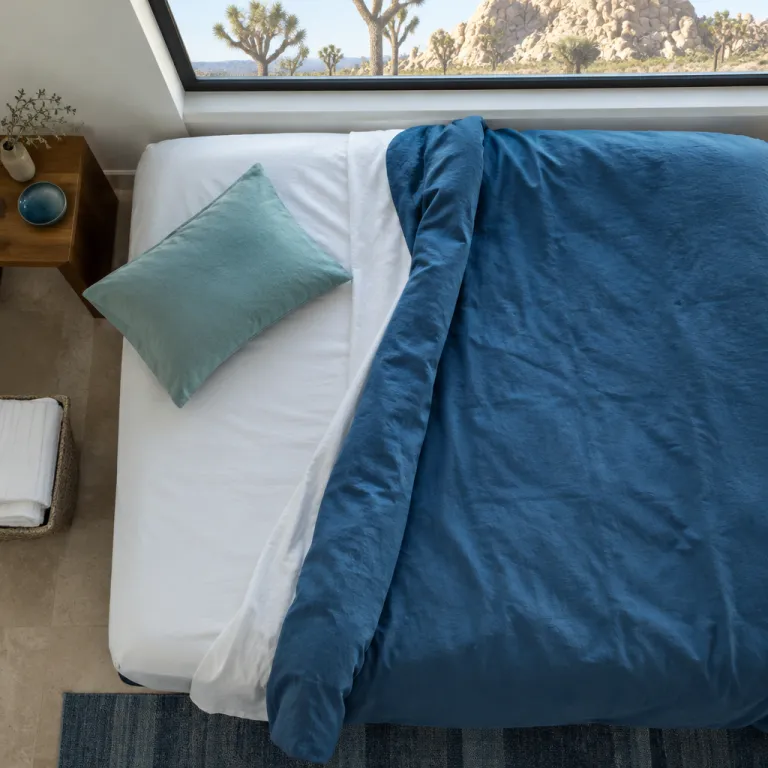
For travelers used to urban five star hotels, the image of Joshua Tree lodging might initially feel rustic, yet the reality is a sophisticated blend of wild west atmosphere and contemporary design. Many hotels and high end rentals frame the sculpted tree and boulder landscape like a living artwork, turning every window into a gallery of tree California silhouettes. If you plan to stay Joshua more than one night, prioritize a place to stay with generous outdoor living areas so you can feel the park’s night sky while still enjoying premium linens, curated art, and attentive service.
Where to stay near Joshua Tree National Park’s key entrances
Location shapes every Joshua Tree lodging decision, because driving times between each park entrance and the main towns vary more than many guests expect. The north entrance near Twentynine Palms is ideal if you want quick access to the park’s central sights, while the west entrance near the town Joshua Tree suits travelers who prefer cafés, galleries, and a walkable creative scene. Yucca Valley, slightly farther from the national park gates, often offers larger properties and more competitive prices for extended stays.
In Twentynine Palms, luxury minded visitors find low rise hotels with generous suites, landscaped outdoor courtyards, and pool hot zones designed for cooling daytime swims and warm evening gatherings. This area works well if the pros of staying close to the north entrance outweigh the cons of a quieter town image and fewer late night dining options. When you check prices here, compare flexible rates that allow date changes, because desert weather and park conditions can influence your daily plans.
The town of Joshua Tree appeals to travelers who want to stay Joshua in the creative heart of the region, with music venues, galleries, and stylish house rentals hidden along sandy streets. Yucca Valley, by contrast, offers a broader mix of national brand hotels and elevated vacation homes, which can be a great place to stay for families who want space and convenient shopping. For readers who enjoy refined countryside retreats such as an elegant escape at a Midwestern lodge, Yucca Valley’s larger villas and private compounds often feel like the closest desert equivalent.
Luxury houses, design hotels, and premium rentals in the high desert
The most memorable Joshua Tree lodging often comes in the form of architect led house designs that blur the line between indoor and outdoor living. Floor to ceiling glass, polished concrete, and carefully framed views of each Joshua tree create a refined yet understated stage for sunrise coffee and late night stargazing. When you browse these properties, check the exact location Joshua on a map, because distances in the open desert can feel longer than they appear online.
High end hotels in Yucca Valley and the town Joshua Tree typically offer full service comforts, from heated pool hot facilities to spa style bathrooms and curated dining. These hotels suit travelers who want a traditional service structure, daily housekeeping, and staff who can explain the pros of staying near specific trailheads or viewpoints inside the national park. In contrast, luxury vacation rentals around Twentynine Palms and beyond often prioritize privacy, with expansive acreage, a private hot tub, and outdoor fire pits that echo the wild west mood of the surrounding landscape.
Some premium Joshua Tree lodging options now operate as field station style retreats, where guided hikes, astronomy sessions, and conservation talks are part of the nightly rate. This approach mirrors refined wilderness stays in other regions, such as the experiences described in guides to refined stays on the edge of mountain wilderness. Whether you choose a hotel or a private house, always check prices across several dates, because midweek stays often unlock better value and quieter pool decks.
Understanding prices, seasons, and the pros of staying outside the park
Because Joshua Tree National Park has no hotels or lodges inside its boundaries, staying in the gateway towns is not just a preference but a necessity. The National Park Service confirms this clearly in its guidance to visitors : "No hotels or lodges inside; lodging = campgrounds only." For luxury and premium travelers, that reality becomes an advantage, because it concentrates the best Joshua Tree lodging in areas with restaurants, art spaces, and spa services.
Prices for high end Joshua Tree lodging fluctuate with the desert climate, peaking in the cooler months when daytime temperatures are comfortable and nights are crisp. During these periods, a design forward hotel or a secluded house with a hot tub and pool hot enough for evening soaks can command rates comparable to Palm Springs, especially for weekends. In the hotter desert hot months, you can often check prices and secure more favorable deals, though you will need to plan early morning and late afternoon park visits to avoid the mid day heat.
The pros of staying outside the national park include reliable access to water, air conditioning, and dining, all of which are limited or absent inside the park boundaries. Many travelers split their stay Joshua between two locations, perhaps starting in the town Joshua Tree for culture and then shifting to Twentynine Palms for quick north entrance access. When you compare properties, use tools that allow you to check prices transparently and read recent guest feedback about noise levels, night sky quality, and outdoor space design.
Wellness, hot springs inspirations, and outdoor living in Joshua Tree
Wellness focused Joshua Tree lodging leans heavily on the restorative power of the desert, with outdoor decks, meditation platforms, and soaking tubs positioned to capture sunrise and moonrise. While the region is not a classic hot springs destination like some parts of California, many premium properties install a private hot tub or plunge pool hot enough to mimic that soothing experience. The combination of dry desert air, warm water, and vast sky views creates a spa like ritual that feels far removed from city life.
Designers of high end hotels and rentals here often draw inspiration from Palm Springs resorts, yet they adapt the aesthetic to the more rugged tree national landscape. Expect clean lines, natural materials, and an emphasis on shade structures that make outdoor living comfortable even when the air runs hot. When you evaluate each property, look beyond the interior image gallery and focus on how terraces, fire pits, and outdoor showers connect you to the surrounding Joshua tree environment.
Some travelers pair a stay Joshua Tree with time in Palm Springs or Desert Hot Springs, using the latter’s true hot springs resorts for deep hydrotherapy and the former for dining and design. In that context, Joshua Tree lodging becomes the contemplative middle chapter, where you trade poolside music for the quiet rustle of desert plants and distant coyotes. If wellness is your priority, choose a place to stay with generous outdoor space, minimal light pollution, and thoughtful amenities such as yoga mats, filtered water, and shaded daybeds.
Planning a seamless premium stay: access, services, and booking strategy
Planning a high end Joshua Tree lodging experience starts with aligning your itinerary to the park’s geography and your preferred style of service. Decide whether you want to be closest to the west entrance near the town Joshua Tree, the north entrance near Twentynine Palms, or the broader services of Yucca Valley. Each location Joshua offers a different balance of drive times, dining options, and property styles, from intimate hotels to expansive villas.
Luxury travelers who value full service often favor hotels in Yucca Valley or the town Joshua Tree, where concierges can arrange guided hikes, photography sessions, or private dinners under the stars. Independent guests may prefer a secluded house on the outskirts, where self catering kitchens, outdoor grills, and private hot tub decks create a residential rhythm. When you check prices, compare flexible and non refundable rates, and remember that booking two to three months ahead for peak seasons is standard practice in this national park region.
Because cell coverage inside Joshua Tree National Park can be limited, many guests appreciate staying in properties that provide printed maps, safety guidance, and clear driving instructions. If you enjoy curated yet good value experiences in other destinations, such as a smart stay in the Smoky Mountains described in this guide to a smart mountain stay, you will recognize the importance of transparent information and responsive hosts here as well. Before confirming any booking, read recent reviews that mention water pressure, heating and cooling performance in hot and cold spells, and the quality of outdoor lighting, because these details shape your overall impression as much as the headline design.
Key figures for Joshua Tree lodging and park stays
- There are nine official campgrounds inside Joshua Tree National Park, all managed by the National Park Service, which means all hotel style lodging is located in nearby towns rather than within the park itself.
- Reservation based campgrounds inside the park typically cost around 35 USD per night, so premium Joshua Tree lodging in the gateway towns represents a deliberate upgrade for travelers seeking beds, climate control, and private bathrooms.
- Budget motel rooms near the park often start around 80 USD per night, while luxury hotels and high end house rentals can rise several times higher during peak seasons, especially around holidays and long weekends.
- Peak lodging demand usually runs from October through May, when daytime temperatures are milder, so travelers seeking lower prices often target the hotter June to September period and plan early morning or evening park visits.
- The three main gateway communities, Joshua Tree, Twentynine Palms, and Yucca Valley, collectively host the majority of visitors who prefer lodging with showers, restaurants, and services rather than camping inside the national park.
FAQ about Joshua Tree lodging
Is there any hotel style lodging inside Joshua Tree National Park ?
There is no hotel style lodging inside Joshua Tree National Park, only campgrounds managed by the National Park Service, so all hotels, houses, and premium rentals are located in nearby towns such as Joshua Tree, Twentynine Palms, and Yucca Valley.
How far in advance should I book Joshua Tree lodging ?
For luxury and premium properties, booking two to three months in advance is advisable during the cooler peak season, while shoulder season and hotter months sometimes allow more flexibility, especially for midweek stays.
Which town is best for a first stay near the park ?
The town of Joshua Tree is often the best choice for a first stay because it sits near the west entrance, offers a lively dining and arts scene, and provides a wide range of hotels and design forward houses, though Twentynine Palms and Yucca Valley suit guests who prioritize quick access or larger properties.
What amenities should I prioritize in a desert lodging property ?
In this desert environment, prioritize strong air conditioning or heating, reliable hot water, shaded outdoor areas, and if possible a pool or hot tub, along with clear driving directions and information about distances to each park entrance.
Are luxury rentals suitable for families visiting Joshua Tree ?
Many luxury rentals and hotels around Joshua Tree welcome families, but you should always check age policies, pool safety features, and outdoor layouts, because some properties emphasize open desert landscaping, unfenced pools, or quiet wellness atmospheres better suited to adults.