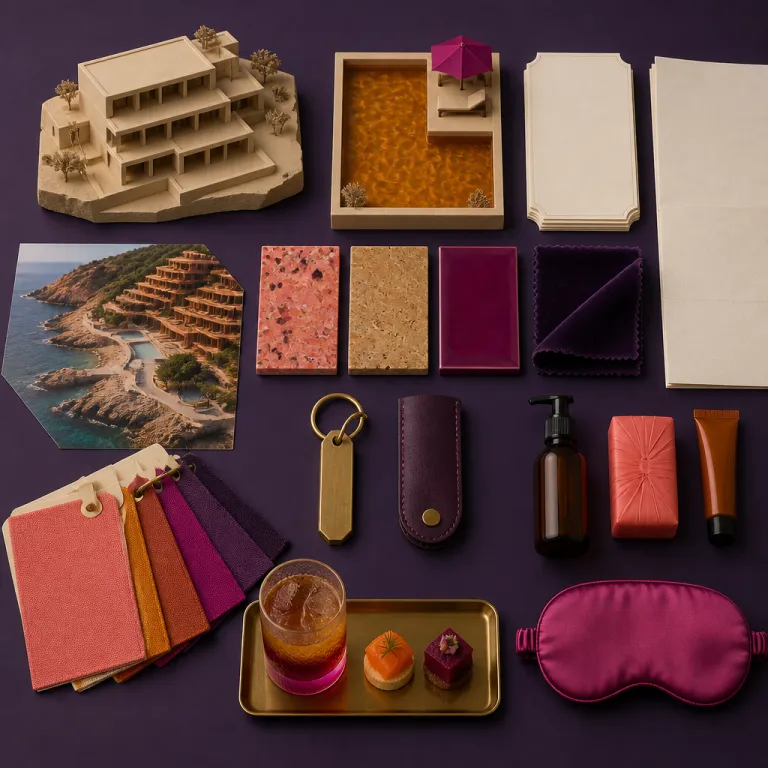
Smaller footprints, bigger stories: how the new luxury hotel opening summer 2026 reshapes expectations
The latest wave of high-end openings arriving in summer 2026 is not about size. It is about how each property translates character, context and modern luxury into a stay that feels precisely calibrated for discerning travelers. Across these launches, you see hotels and resorts that are intentionally smaller, more focused and more attuned to how families actually move through rooms and public spaces.
Mandarin Oriental Punta Negra in Mallorca is a defining example of this new generation of luxury openings. According to Mandarin Oriental Hotel Group’s development announcements, the resort is expected to debut with 137 guest rooms and suites, set on sea-facing cliffs with three hectares of landscaped gardens that feel more like a private estate than a conventional beach complex. For families who once defaulted to a large all-inclusive, this new style of hotel offers intimacy, layered design and a sense that every square metre has been considered for both adults and children.
At the other end of the spectrum, Hilton Key West Resort & Marina will feature 175 rooms and 86 suites after its conversion from Ocean's Edge, as outlined in Hilton’s project information. It shows how a reimagined coastal resort can still feel personal, even at a larger scale. This crop of summer 2026 luxury hotel openings also includes the Skald Hotel Akureyri in Iceland, a Curio Collection by Hilton property with just 86 rooms that anchors Hilton’s first presence in North Iceland. The pattern is clear: the market is splitting between large-scale hotels and compact properties where the experience is defined less by spectacle and more by narrative.
Global brands are not alone in this shift, as independent names and collections lean into smaller footprints with deeper stories. White Elephant Hotel, for example, is extending its collection from coastal New England into the mountains with White Elephant Aspen, proving that a luxury hotel can carry its DNA into a new landscape without replicating a template. As one boutique-hotel founder recently put it in an industry panel, “Guests don’t want a copy-and-paste lobby; they want a place that could only exist right here.” These upcoming luxury resorts and boutique hotels show that the most interesting places to stay will offer a sense of place that feels almost residential, especially for premium families who want their children to feel at home from the first night.
Wellness as default infrastructure, not an optional extra
Wellness used to be a spa menu; now it is the skeleton of the entire property. Every notable new luxury hotel opening summer 2026 treats wellbeing as infrastructure, from the way guest rooms are oriented for light to the way food and beverage programming is structured. Even hotels that are not marketed as wellness resorts will offer integrated spa, movement and recovery experiences as standard.
ENVI Paje in Zanzibar is a pure expression of this shift, with 22 beachfront villas designed as barefoot luxury sanctuaries where spa rituals and daily movement are woven into family life. This beach resort is not just about the shoreline itself, but about how travelers decompress between kite surfing sessions, shared breakfasts and sunset swims. Evidence-based wellness design, once the preserve of destination retreats, is now a baseline expectation in high-end beach and desert resorts that want to attract premium families for longer stays.
Traditional city hotel openings are following suit, with Fairmont New Orleans planning a full-service spa, fitness and wellness program alongside its 250 rooms and roughly 20,000 square feet of event space, as referenced in Fairmont’s project descriptions. When a historic city like New Orleans treats wellness as seriously as its music and food, you know the broader luxury hospitality trend has become mainstream. As one industry summary from a 2026 outlook report puts it, “Elevated F&B, evidence-based wellness, ultra-luxury expansion” are now the pillars of high-end travel.
For families, this means that a Four Seasons–style spa is no longer a splurge but a planning tool, especially when you are travelling with children who need downtime as much as adults. Whether you are looking at a mountain resort or a coastal property will matter less than whether the spa, pool and wellness spaces are designed for multi-generational use. This is where brands like Auberge Resorts and Orient Express–level collections are pushing the conversation, proving that modern luxury can be both restorative and playful in the same day.
Food is part of wellness too, and the latest luxury hotel openings are investing heavily in culinary experiences that balance indulgence with nutrition. Elevated F&B as a core revenue driver is now aligned with wellbeing, not opposed to it, as seen in properties that stage chef’s counter dinners one night and plant-forward menus the next. For a deeper look at how hotel restaurants are rethinking the evening meal as part of the overall experience, the analysis on hotel restaurants rethinking what dinner means is essential reading for travelers planning where to stay and where to eat.
Conversion versus new build: what changes when a flag goes up
One of the most instructive stories in the summer 2026 luxury hotel landscape is Hilton Key West Resort & Marina. This property will open not as a ground-up build but as a conversion of the existing Ocean's Edge, a shift that raises practical questions for families comparing hotels in the same city. When a familiar flag appears on a waterfront resort, travelers understandably ask what the hotel will actually change.
In Key West, the resort will feature 175 rooms and 86 suites, six saltwater pools and a full-service marina, according to Hilton’s project information, but the real shift lies in service culture, loyalty integration and design refresh. A conversion like this often brings Hilton Honors benefits, updated guest rooms and more consistent standards, which can be decisive for families booking peak season. The property will also plug into a broader collection of Hilton city hotel and resort options, giving travelers more flexibility to combine a Miami Beach stay with a Key West finale.
Conversions are not limited to the United States; across Saudi Arabia and the Red Sea coast, several existing properties are being repositioned under global luxury flags such as Waldorf Astoria and Orient Express, based on public development plans and brand press releases. In these cases, the hotel will often retain its historic bones while layering in modern luxury details, from upgraded spa facilities to redesigned rooms and suites that better suit multi-generational travel. For families, the key is to read early reviews carefully and look for specifics about noise insulation, pool layouts, kids’ clubs and connecting guest rooms, not just brand promises.
New builds like Mandarin Oriental Punta Negra or the Skald Hotel Akureyri operate differently, because every corridor, restaurant and spa has been planned from scratch for today’s luxury traveler. These hotels are expected to offer purpose-built family rooms, flexible connecting-room options, thoughtful beach or mountain access and wellness spaces that feel coherent rather than retrofitted. When you compare a conversion to a new build, think less about age and more about whether the design narrative matches how your family actually travels.
For coastal families who love the idea of a smaller-scale property with strong character, the detailed guide to luxury stays with seaside views and premium amenities in Rockport, Maine offers a useful benchmark. It shows how a well-executed coastal hotel can feel both relaxed and sharply run, a standard you can apply when assessing any new high-end resort or boutique hotel on your shortlist. The lesson is simple: the flag matters, but the fit matters more.
Geography without borders: from Mediterranean cliffs to African rivers
Look at a map of the new luxury hotel opening summer 2026 class and you see a striking spread. Mediterranean cliffs in Mallorca, mangrove-lined marinas in Key West, volcanic fjords in North Iceland and riverbanks in South Africa all sit on the same planning board. Luxury is no longer clustered in a few predictable cities; it is following travelers to the edges of their curiosity.
Last Word Makanyane in South Africa’s Madikwe Game Reserve is a case in point, with just eight river-facing suites on family-owned land that has been carefully stewarded for generations, as described by the lodge’s own materials. This is not a mass-market safari resort but a tightly edited experience where every suite, every game drive and every shared meal is designed for a handful of guests at a time. For premium families, that means more flexible schedules, more direct interaction with guides and a deeper sense of safety and continuity for children.
In Zanzibar, ENVI Paje’s 22 villas sit directly on the beach, turning the shoreline into an extension of the living room for families who want a barefoot rhythm. The resort is expected to offer wellness programming that responds to the tides and trade winds, from sunrise yoga to late-afternoon spa rituals that help children unwind after hours in the water. This kind of beach resort is very different from the mega-developments along the Red Sea, where large-scale hotels and resorts are being built to anchor entirely new destinations in Saudi Arabia.
Europe’s contribution to the summer 2026 luxury story is equally diverse, from Mandarin Oriental Punta Negra’s Mediterranean gardens to the Skald Hotel Akureyri’s Arctic city setting. The Iceland property will feature 86 rooms in a compact city hotel format, giving families a walkable base for whale watching, geothermal pools and winter sports. For travelers used to classic Four Seasons or Waldorf Astoria–style properties, these smaller northern hotels offer a different kind of luxury: less about opulence, more about proximity to nature.
Even established icons are experimenting with new geographies and experiences, as seen in Badrutt’s Palace Hotel offering private boat sailing on Lake St. Moritz during the same season. Arev St. Tropez, meanwhile, partners with Feadship for a superyacht design experience that turns the French Riviera into a floating design studio for guests. These examples sit alongside the new luxury hotel opening summer 2026 cohort to show how luxury hotels are no longer just fixed addresses but gateways to highly curated experiences across land and sea.
How to read a just opened hotel: pricing, soft openings and early signals
Booking a new luxury hotel opening summer 2026 can feel like a gamble, especially for families committing to school holiday dates. The upside is access to introductory pricing, fresh design and staff eager to impress, but the downside can be teething issues that matter when you are travelling with children. The key is to read the signals that a property will send in its first months.
Soft opening periods often come with lower rates and limited services, which can work well for flexible couples but less so for families who need fully operational kids’ pools, restaurants and spa facilities. When you look at a hotel that has just opened, check whether all guest rooms, suites and public spaces are available or whether some floors are still under construction. A well-managed soft opening will offer clear communication, realistic promises and perhaps courtesy upgrades or credits when certain amenities are not yet ready.
Pricing is another clue; ultra-high nightly rates from day one can signal confidence but may not reflect the actual experience during the first season. For context, the average nightly rate at Badrutt’s Palace Hotel has been reported at around 730 GBP, while Arev St. Tropez starts from about 1,500 EUR, both benchmarks for established European luxury, based on figures cited by MoneyWeek. When a new luxury hotel positions itself near those levels, you should expect fully formed service, polished F&B and a spa program that feels complete, not experimental.
Families should also pay attention to how hotels handle feedback in the first months, especially on issues like noise, housekeeping consistency and restaurant pacing. A property will reveal its culture quickly in how it responds to early reviews, whether it is a city hotel in New Orleans, a beach resort in Zanzibar or a mountain retreat in Aspen. White Elephant Aspen, for example, extends a respected coastal brand into the mountains, and its ability to maintain service standards across seasons will be a strong indicator of long-term reliability.
For those who care deeply about culinary experiences, early menus and chef profiles can be as telling as room photos. Elevated F&B is now a core revenue driver, and families who plan trips around food should look for properties that treat children’s menus with the same respect as tasting menus. A useful parallel is the way Nordic coastal properties have redefined seafood experiences, as explored in the piece on redefining luxury seafood experiences in Rhode Island, which offers a template for how thoughtful dining can anchor an entire stay.
Luxury redefined for premium families: from ultra high net worth to right sized stays
Luxury hospitality used to speak primarily to ultra high net worth travelers, but the new luxury hotel opening summer 2026 cohort shows a broader, more nuanced target. Properties are still catering to guests who can afford high nightly rates, yet they are designing stays that feel less about display and more about alignment with personal values. For premium families, that means right-sized rooms, intuitive service and experiences that feel enriching for children, not just convenient for adults.
Hotels like Last Word Makanyane, ENVI Paje and Skald Hotel Akureyri are emblematic of this shift, offering smaller room counts, strong local ties and wellness as a given. They sit alongside larger openings such as Fairmont New Orleans or Hilton Key West Resort & Marina, proving that scale alone does not define luxury. What matters is how each hotel will choreograph the guest journey, from arrival to spa to dinner, in a way that feels coherent and human.
Global brands are also experimenting with collections and sub-brands that speak more directly to this sensibility, whether through Orient Express–style heritage narratives or Auberge Resorts–level intimacy. A Four Seasons hotel or resort may still represent the pinnacle of classic service, but the new luxury hotel opening summer 2026 generation is less interested in formality and more in meaningful choice. Families want to know that a property will offer both quiet corners and lively pools, both structured kids’ activities and the freedom to simply be together.
Behind the scenes, methods such as opening new properties, offering exclusive experiences and partnering with luxury brands are all in service of one goal: enhancing guest experiences in ways that feel personal. As one expert Q&A puts it plainly, “How are luxury hotels enhancing guest experiences?” with the answer, “Offering exclusive experiences, personalized services, unique locations.” For premium families using platforms like lodgingstay.com to curate their next trip, the promise is clear: every recommendation should help you find the hotel where the location, the price and the character align with your reason for being there.
For those planning ahead, the most practical advice is simple yet powerful: book early for exclusive experiences, check availability for limited-time offers and always leave space in the itinerary to explore local attractions during stays. Whether you are eyeing a new luxury hotel opening summer 2026 on a Mediterranean cliff, an African riverbank or a North Atlantic fjord, the right choice will feel less like a status play and more like a well-considered match. That is where luxury is heading, and where the smartest families are already booking.
Key figures shaping the new luxury hotel opening summer 2026 landscape
- Average nightly rates at established European icons such as Badrutt’s Palace Hotel hover around 730 GBP, a benchmark that helps families gauge whether a new luxury hotel opening summer 2026 is priced as a peer or as a more accessible alternative (data reported by MoneyWeek, showing the upper tier of traditional luxury).
- Starting rates at ultra-premium coastal properties like Arev St. Tropez begin at approximately 1,500 EUR per night, illustrating how experiential add-ons such as superyacht design partnerships can push pricing into ultra high net worth territory (MoneyWeek data used as a reference point for Riviera-level luxury).
- Room counts among headline openings range from just 8 suites at Last Word Makanyane to 250 rooms at Fairmont New Orleans, confirming that the market is splitting between intimate retreats and larger city hotels rather than converging on a single ideal size (based on figures shared by the respective brands).
- Hilton Key West Resort & Marina’s 175 rooms and 86 suites, combined with six saltwater pools and a full-service marina, highlight how conversions can deliver resort-scale amenities while still targeting premium families who value loyalty benefits and consistent standards.
- Mandarin Oriental Punta Negra’s 137 rooms across three hectares of gardens demonstrate how mid-sized resorts are using generous land to create space per guest, a critical factor for families seeking privacy and access to nature during peak summer travel periods.
FAQ: planning around the new luxury hotel opening summer 2026 wave
What are the top luxury hotel openings in 2026?
Among the most anticipated new luxury hotel opening summer 2026 properties are Mandarin Oriental Punta Negra in Mallorca, Hilton Key West Resort & Marina in Florida, Last Word Makanyane in South Africa, ENVI Paje in Zanzibar, Fairmont New Orleans in Louisiana and Skald Hotel Akureyri in North Iceland. A separate expert overview also highlights Aman Beverly Hills, Rosewood Sicily and Six Senses Telluride as key luxury openings in the broader season. Together, these hotels show how luxury is expanding across both classic and emerging destinations.
What trends are shaping luxury hospitality in 2026?
Current analysis of the new luxury hotel opening summer 2026 cohort points to three dominant trends: elevated food and beverage as a core revenue driver, evidence-based wellness design and the continued expansion of ultra-luxury offerings for high net worth travelers. These trends appear consistently across very different geographies, from Mediterranean resorts to African safari lodges and North American city hotels. For guests, this means more serious culinary programs, integrated wellness infrastructure and a wider range of price points within the luxury segment.
How are luxury hotels enhancing guest experiences?
Luxury hotels are enhancing guest experiences by combining exclusive activities, highly personalized services and carefully chosen locations that feel distinctive rather than generic. Industry experts summarise this shift in a simple Q&A: “How are luxury hotels enhancing guest experiences?” with the answer, “Offering exclusive experiences, personalized services, unique locations.” Families booking a new luxury hotel opening summer 2026 can expect more tailored itineraries, deeper local partnerships and staff trained to anticipate needs rather than simply respond to requests.
Should families book a just opened hotel or wait a season?
Choosing a just opened property in the new luxury hotel opening summer 2026 class can be rewarding if you value fresh design, introductory pricing and the energy of a new team. However, families with rigid dates or low tolerance for service glitches may prefer to wait until the second season, when operations have settled and early feedback has been fully integrated. The best approach is to check whether the hotel is still in soft opening, confirm that all key amenities are available and read detailed reviews that mention family-specific factors such as connecting rooms, kids’ menus and pool layouts.
How can I get the best value from a new luxury hotel opening summer 2026?
To maximise value, start by booking early, especially for peak school holiday periods when room categories for families sell out quickly. Look for opening offers that bundle breakfast, resort credits or spa treatments, and compare these packages against established competitors in the same city or region. Finally, consider midweek stays or shoulder dates around the main summer window, when rates at even the most sought-after new luxury hotel opening summer 2026 properties can be meaningfully lower without sacrificing the core experience.