From chatbots to operating systems: how HITEC 2026 hotel AI guest technology quietly reshapes your stay
On the HITEC floor in San Antonio, the shift was unmistakable. What used to be isolated gadgets has become deeply connected hotel AI guest technology woven into the hospitality technology infrastructure behind almost every premium front desk. For travelers booking a luxury hotel, that means the management systems deciding your room, your service pattern and even your welcome amenity are increasingly guided by AI driven decision engines rather than a single agent’s intuition.
Oracle’s OPERA Cloud Assistant, embedded directly into the property management platform, showed how a modern management system can run AI assisted room assignments that weigh guest history, rate type and even likely revenue contribution. In the HITEC 2026 session “Reimagining the Front Desk with OPERA Cloud Assistant,” Oracle Hospitality vice president Alex Alt cited internal benchmarks indicating that more than 40,000 properties now use OPERA Cloud in some form, giving these algorithms a broad operational footprint (source: Oracle Hospitality press briefing, HITEC 2026). Instead of a front desk clerk scanning a screen, the technology proposes the smart room match first, then lets staff refine it for special occasions or complex guest experiences. As one San Antonio front office manager put it during a panel discussion, “The system suggests the right room in seconds; my team spends their time asking why a guest is traveling, not hunting for availability.” This is where next generation hotel AI is most influential: it touches the room you sleep in, the late checkout you request and the way service teams prioritize your stay.
For the hospitality industry, this is not abstract industry technology but a new layer of business technology that connects hardware, software and human teams. Hewlett Packard Enterprise used the exposition conference to highlight AI driven network infrastructure that keeps these hotel technology systems stable when hundreds of devices connect in a single tower. In the HITEC 2026 theater session “AI-Native Networking for Hospitality,” HPE Aruba Networking engineers referenced lab simulations showing up to 30% lower network latency for guest applications when AI based traffic optimization is enabled (source: HPE Aruba Networking technical briefing, HITEC 2026). Hospitality Financial and Technology Professionals (HFTP) framed the conference HITEC agenda around one clear objective: “Showcase latest hospitality technologies.”
What AI assisted hotels now know before you reach the front desk
By the time you walk toward the front desk, a well configured property management environment already holds a detailed picture of your likely guest experience. Demonstrations at HITEC 2026 showed how OPERA Cloud Assistant can surface past conversations, preferred room locations and even typical arrival times directly inside the management system. For a frequent executive traveler extending a business trip, that means the hotel can pre assign a quiet room, queue a late turndown and adjust service staffing before you even scan your card.
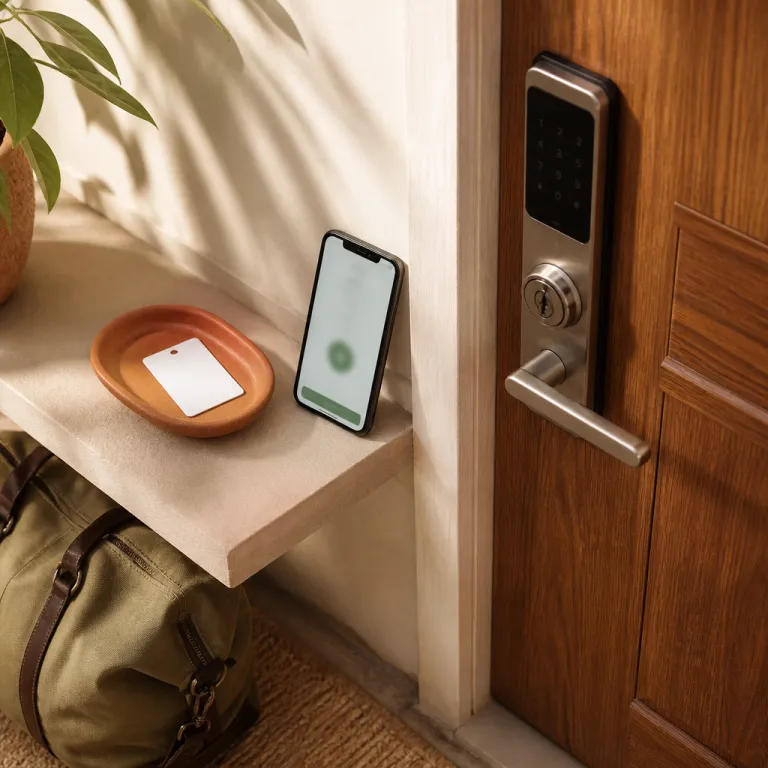
Innspire’s Guest Flows showed another side of guest facing innovation, replacing clunky hotel apps with SMS or WhatsApp based journeys that run from check in to checkout. You receive a link, confirm identity, accept a digital key and start ordering room service or booking a spa slot without downloading a product that clutters your phone. One HITEC demo followed a fictional guest, “Jordan,” from airport arrival to late checkout: a single message thread handled digital registration, a room upgrade offer, a spa booking and a maintenance request without a phone call. For travelers used to premium loyalty platforms and tools such as a streamlined CLC lodging login for effortless premium hotel stays, this kind of frictionless tech feels aligned with how they already manage business technology in their own companies.
Behind the scenes, network infrastructure and hotel technology hardware must now support thousands of encrypted messages, smart room controls and AI powered guest experiences without visible lag. HPE’s AI native networking solutions, presented as part of the technology exposition, targeted exactly this hospitality operations challenge. In one session, an HPE product lead summarized the goal simply: “Guests should never think about the network; they should just feel that everything works.” The result for the guest is simple: fewer dropped connections, more reliable digital keys and a sense that the hotel’s systems are finally as polished as its lobby.
Invisible service, real conversations: how to read the new AI luxury playbook
For travelers who care how a hotel runs, the latest wave of HITEC 2026 hotel AI guest technology offers a new lens for judging hospitality. When you check into a lakeside resort or an urban flagship, ask how their property management and hotel technology platforms handle smart room controls, from lighting scenes to climate presets. A refined stay at a place like a lakeside lodge in Tahoe, for example, increasingly depends on whether the infrastructure can link your profile, your devices and the room’s hardware into one coherent guest experience.
Grevon’s Pulse and Echo agents, presented on the HITEC floor, showed how AI can now handle phone reservations and in stay conversations with a natural cadence. These systems free front office teams to focus on complex hospitality operations, while AI handles routine product questions, simple project management style tasks and quick changes to arrival times. For the guest, the test is whether those conversations feel like an extension of thoughtful service or a barrier between you and a human who can make a nuanced decision.
Over the next twelve months, expect luxury properties to blend invisible AI with more intentional human contact, especially in San Antonio, New York and other tech forward markets. You may notice fewer lines, more precise room readiness and service teams who already know your preferences, much like the shift toward smarter all inclusive stays explored in this analysis of when all inclusive became the smart choice for wellness resorts. The most interesting hotels will be those that use advanced guest technology to enhance genuine guest experiences rather than to hide behind screens.