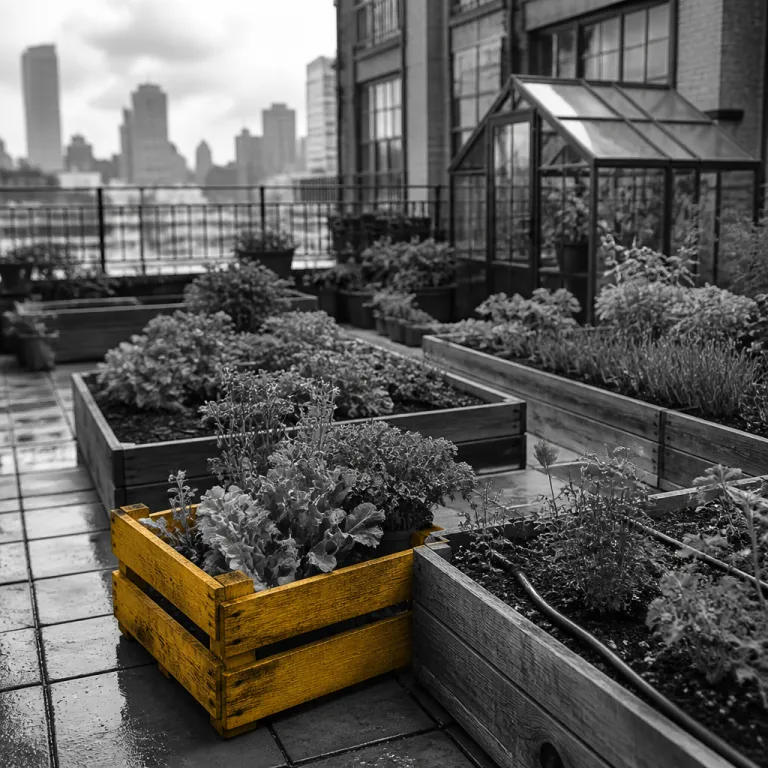
What a true farm to table hotel restaurant experience means
For luxury travelers, a genuine farm to table hotel restaurant experience starts long before the first plate reaches your table. It begins on the farm that sits behind the resort, in the raised beds where ingredients are planted with a specific menu and dining concept already in mind. When hotels treat agriculture as part of their core culinary identity, every dinner, every bar snack and every happy hour food and drink pairing becomes a story about place rather than a generic amenity.
In a hotel context, farm to table should mean that a significant share of the food and drink comes either from an on-site farm or from rigorously selected local producers within a defined radius. The executive chef and the wider culinary team work directly with growers to plan which herbs, vegetables, fruits and grains will be ready for each season, then build a flexible menu that can pivot when weather changes the harvest. This is very different from loose marketing language, where a resort might buy a token crate of tomatoes from a nearby farm and still claim a full farm to table dining experience without materially changing its supply chain.
Hotels that take this seriously integrate the farm into the guest experience, not just the kitchen operations. Guests may see an open kitchen where chefs move between the pass and crates of ingredients harvested that morning, or they might walk past a compact hydroponic farm in the lobby on the way to dinner. When a property positions itself around a farm-to-table philosophy, the table experience becomes a lens on the destination, whether you are in the Rio Grande Valley of New Mexico or in a coastal corner of the United States where sea air shapes the produce.
From marketing claim to working farm: how hotels grow their own food
Across the United States, more hotels are moving from slogans to soil, building real farms that anchor a credible farm to table hotel restaurant experience. Some properties invest in traditional in-ground plots, where guests will see rows of herbs, vegetables and seasonal crops just beyond the pool or spa, while others turn to hydroponic systems and vertical farming to make agriculture viable in dense urban resorts. Orlando World Center Marriott, for example, uses a HyCube hydroponic system to grow leafy greens on site, reducing food miles and giving its culinary team precise control over freshness.1
Hotel groups are also experimenting with modular systems that can be replicated across multiple hotels without needing hectares of land. Element Hotels has partnered with Lettuce Grow to install Farmstand towers, allowing each resort in the network to harvest ingredients for salads, bar garnishes and breakfast dishes directly from compact vertical gardens.2 SingleThread Farm in California goes further by operating both a working farm and an inn, with ingredients harvested on the property feeding directly into an award-winning fine dining restaurant that has become a destination in its own right.3 As one industry summary puts it succinctly, many hotels now cultivate on-site produce specifically for guests.
For families comparing properties on a booking platform, these operational details matter because they signal whether a farm-to-table promise is structural or superficial. A resort that lists its local farm partners by name, explains how its executive chef collaborates with growers and shows photos of the kitchen team in the fields is usually doing more than a hotel that simply mentions seasonal food on its website. If you want to go deeper into how restaurants have become a core booking driver, read this analysis of dining as hotel strategy and then look for properties where the farm is clearly part of that strategy, not an afterthought.
How on site farms reshape menus, kitchens and the table experience
Once a hotel commits to growing its own food, the menu stops being a static document and becomes a living reflection of the farm. An executive chef who can walk into the garden or hydroponic room each morning will design dinners around ingredients harvested at peak flavor, rather than forcing the kitchen to bend to a fixed list of dishes. This flexibility is what makes a farm to table hotel restaurant experience feel so vivid, because guests will notice that the dining room changes subtly with each visit.
Operationally, the kitchen shifts from a purely receiving and prep space into a creative workshop that sits between the farm and the table. Many properties now feature an open kitchen where guests can watch the culinary team trim herbs and vegetables, break down whole vegetables from local farms and plate courses that move directly from the pass to the table without languishing under heat lamps. Low-waste practices become easier when the same chefs who design the fine dining tasting menu also oversee casual bar snacks, turning trimmings into croquettes, broths or happy hour food and drink pairings that feel thoughtful rather than thrifty.
For travelers who care about narrative, this integration turns dinner into a form of theatre. Some hotels offer farm dinners served at long communal tables set between rows of vines or citrus trees, while others host intimate private dining events where the executive chef explains how the Rio Grande climate or the surrounding valley soil shaped that night’s flavors. If you are curious about how hotels are rethinking what dinner means more broadly, this deep dive into chefs’ theatre and evolving hotel restaurants shows how a strong farm-to-table program can anchor both casual and fine dining concepts under one roof.
Family friendly farm to table stays: when kids meet the kitchen garden
For premium families, the most memorable farm to table hotel restaurant experience often happens before anyone sits down at the table. Children remember pulling a carrot from the soil or tasting a warm cherry tomato in the garden far longer than they remember a generic kids’ menu in anonymous hotels. When a resort invites younger guests into the farm, the kitchen and even the bar area for mocktail workshops, it turns dining into a playful education about where food comes from.
Properties like Los Poblanos Historic Inn and Organic Farm in the Rio Grande Valley show how powerful this can be for multigenerational travel. Here, the farm is not a backdrop but a working landscape, with lavender fields, heritage crops and a culinary team that builds both farm dinners and casual lunches around ingredients harvested on site or from neighboring local farms. Families can tour the fields in the morning, then see the same herbs and vegetables reappear at dinner, whether in a fine dining tasting menu for adults or a simpler table experience for children who helped pick the produce.
When you browse a luxury booking platform, look for language that describes specific family activities rather than vague promises of a kid-friendly dining experience. Strong examples include hotels that offer garden scavenger hunts, pizza-making classes in an open kitchen or private dining in a greenhouse where guests help the executive chef choose toppings directly from the beds. For more inspiration on family-focused properties where the restaurant is central to the stay, this review of an indoor water haven for families at Great Wolf Lodge Connecticut shows how food programming can sit alongside pools and slides in a well-rounded resort itinerary.
Value, pricing and how farm to table affects what you pay
Many travelers assume that a serious farm to table hotel restaurant experience automatically means higher room rates, but the reality is more nuanced. Running a farm on site or maintaining deep relationships with local farms does add operational complexity, yet it can also reduce long supply chains and waste, which helps hotels manage costs. For guests, the question is less about absolute price and more about whether the dinner, the bar program and the overall dining experience feel commensurate with what you are paying for the stay.
When a resort grows its own herbs and vegetables or sources most of its ingredients from nearby producers, it can design menus that use the whole plant or animal across multiple outlets. The executive chef might feature prime cuts in the fine dining room, use secondary cuts for casual farm dinners and turn trimmings into stocks, sauces or snacks for happy hour food and drink pairings at the bar. This integrated approach allows the culinary team to deliver an award-winning level of flavor and freshness without relying solely on expensive imports, which can translate into better value for guests who care about quality over portion size.
From a booking perspective, you should read beyond headline rates and look at how much of your stay you realistically plan to spend on site. If you are likely to enjoy several dinners, a long lunch and maybe a private dining event, then a resort with a strong farm-to-table program may offer better overall value than cheaper hotels where you end up eating off property every night. Guests will often find that the most satisfying farm to table hotel restaurant experience is not the least expensive option on paper, but the one where the table setting, the kitchen ethos and the farm itself align with their travel priorities.
Sustainability, trust and how to choose the right property
For discerning travelers, the appeal of a farm to table hotel restaurant experience is as much about trust as it is about taste. When a resort invests in on-site agriculture or long-term partnerships with local farms, it signals a commitment to transparency that goes beyond a few green slogans on the website. This aligns with the broader shift toward regenerative tourism, where hotels are expected to support local ecosystems, reduce food miles and show measurable progress rather than vague intentions.
Certifications can help, but they are only part of the picture when you are evaluating hotels from your laptop. Look for properties that explain how their executive chef and culinary team work with farmers, outline which ingredients harvested on site appear in the menu and describe specific practices such as composting, water management or renewable energy use in the kitchen. Some resorts publish seasonal farm-to-table calendars that show when certain herbs, vegetables or fruits are at their peak, giving guests a clear sense of what the dining experience will feel like in spring versus autumn.
When you arrive, small details will confirm whether the narrative holds up. An open kitchen where you can see cooks handling produce that still carries a trace of soil, a bar that lists the orchards behind its juices, or servers who can name the local farms supplying tonight’s farm dinners all point to a serious program. In the best cases, guests leave with a deeper understanding of the landscape they visited, carrying home not just memories of fine dining but a renewed appreciation for how a thoughtfully run farm, a disciplined kitchen and a well-set table can turn travel into something quietly transformative.
Key figures behind hotel farms and on site dining
- Case studies highlighted by the Michelin Guide and similar hospitality roundups show a growing share of gastronomic hotels investing in on-site gardens or structured partnerships with nearby local farms, underlining how central agriculture has become to serious dining programs.4
- Individual hotel reports indicate that properties growing a portion of their own produce can cut food miles for key ingredients by 20–30%, depending on location and crop mix, which supports lower emissions and fresher food on the plate for guests.1,2
- Advisory firms tracking luxury travel behavior have found that a clear majority of high-end travelers now prioritize hotels with strong restaurant reputations when choosing where to stay, meaning that a compelling farm to table hotel restaurant experience can be as decisive as spa facilities or room size in the booking decision.5
- Hydroponic and vertical farming systems such as HyCube and Lettuce Grow Farmstand allow urban resorts to produce leafy greens and herbs year round, often covering a significant share of salad and garnish needs while using far less water than traditional agriculture, which strengthens both sustainability credentials and menu reliability.1,2
Indicative sources: 1Orlando World Center Marriott HyCube project materials; 2Lettuce Grow and Element Hotels partnership announcements; 3SingleThread Farm restaurant and inn documentation; 4Michelin Guide Hotels commentary on farm-linked properties; 5WATG Advisory and comparable luxury travel research on dining-led bookings.
FAQ: farm to table hotel restaurant experience
Which hotels grow their own food and integrate it into dining ?
Several high-profile properties now operate serious on-site agriculture programs that feed directly into their restaurants and bars. Orlando World Center Marriott uses a HyCube hydroponic system to supply greens, Element Hotels partners with Lettuce Grow to install vertical gardens across multiple resorts and SingleThread Farm runs both a working farm and an inn where ingredients harvested on the property shape an award-winning fine dining menu. These examples show how hotels can move beyond token gestures and build a full farm to table hotel restaurant experience into their core identity.
Why do hotels invest in on site farms instead of relying on suppliers ?
Hotels grow their own food to secure fresher ingredients, reduce supply chain risk and strengthen their sustainability story in a way guests can see. By controlling part of the production, an executive chef and culinary team can plan menus around what the farm can reliably deliver, rather than chasing last-minute imports. This approach also supports local farms by complementing rather than replacing regional suppliers, creating a more resilient network that benefits both the resort and its neighbors.
How does on site farming benefit guests during their stay ?
For guests, the most immediate benefit is flavor, because ingredients harvested hours before service tend to taste brighter and more nuanced than produce that has traveled long distances. Beyond taste, a visible farm and open kitchen build trust, since guests can see where their food comes from and how the culinary team handles it. Many properties also turn the farm into an activity hub, offering tours, classes and farm dinners that add depth to the overall travel experience.
Does a farm to table focus limit menu choice for picky eaters or kids ?
Seasonal menus can feel narrower on paper, but in practice a well-run farm to table hotel restaurant experience usually offers more thoughtful options for different palates. Because the kitchen works closely with the farm, chefs can design flexible dishes that adapt to dietary needs while still showcasing peak-season produce. For families, this often means kids’ menus built around simple, high-quality ingredients rather than processed standbys, with staff ready to adjust portions or preparations on request.
How can I tell if a hotel’s farm to table claims are genuine when booking ?
When researching hotels, look for concrete details such as the names of local farms, descriptions of on-site gardens, photos of the fields and explanations of how the executive chef uses those ingredients in the menu. Properties that mention specific practices like composting, low-waste cooking or farm dinners tied to harvest dates are usually more serious than those that rely on generic sustainability language. Reading recent guest reviews that mention the farm, the table experience and the quality of the dining can also help you separate marketing from reality before you commit to a reservation.
Quick checklist for spotting authentic farm-to-table hotels:
- Named local farm partners and clear descriptions of on-site gardens or greenhouses.
- Menus that reference seasonal harvests, specific fields or varietals rather than vague “fresh” claims.
- Visible farm elements on property, such as kitchen gardens, hydroponic units or orchard walks.
- Staff who can explain where key ingredients come from and how they shape the dining experience.
- Evidence of sustainability practices, including composting, low-waste cooking and reduced food miles.