Why luxury hotel family travel with teenagers needs a new rulebook
Parents planning luxury hotel family travel with teenagers often realise the usual family playbook no longer works. A pool and kids club once guaranteed the best reaction, but teens now judge a hotel by Wi-Fi strength, social spaces and whether the staff speak to them like adults. For many families, the gap between what parents book and what teenagers actually want turns a long awaited family vacation into a polite compromise.
Most properties still define family friendly as children’s menus, connecting rooms and supervised activities for kids under twelve. Teenagers sit awkwardly between the kids zone and the lobby bar, too old for face painting yet too young for late night cocktails, which makes this age group the hardest to please during any trip. When you search for luxury hotels that genuinely understand teens, you quickly see how rare truly teen approved design and programming remain, even in famous resorts and inclusive resorts.
The hotels that stand out treat teens as a distinct guest segment, not an afterthought to families with younger kids. They invest in spaces, activities and tech that respect teen autonomy while keeping parents comfortable about safety during the stay. For luxury family planners, learning to read these signals is now as important as comparing room categories, especially when vacations teens will remember shape where they want to travel as adults.
What actually works for teens, tweens and their parents
Ask a fourteen year old what makes the best vacation and you rarely hear “kids club” or “buffet line”. You hear about fast connectivity, late opening hangouts, inclusive spaces where teens and tweens can drift in without being supervised like small kids, and activities that feel more like real life than organised fun. The smartest luxury hotels now design for this reality, building a bridge between what teenagers crave and what parents quietly need from a family trip.
JW Marriott Starr Pass Resort & Spa in Arizona created its Blur Teen Lounge with gaming consoles, music and tech corners, signalling that teen guests are not an afterthought in this desert resort. At Fairmont Scottsdale Princess, The Hang Out functions as a social hub where teens can come and go, which helps families with multiple kids balance different bedtimes and energy levels during a longer stay. These spaces are not about spectacle ; they are about giving teens a place that feels theirs, while parents enjoy the pool, spa or a quiet drink nearby.
In urban hotels, Omni Berkshire Place in New York City went further with its Teen Connection program, appointing a teen concierge to advise on shows, streetwear shops and neighbourhood food that teenagers actually want. That teen concierge model respects how teens research travel on their phones, then cross check with peers before they accept any plan. For families teens who value independence, this kind of service can turn a standard city break into one of the best vacations they talk about for years.
Designing spaces that teenagers choose, not tolerate
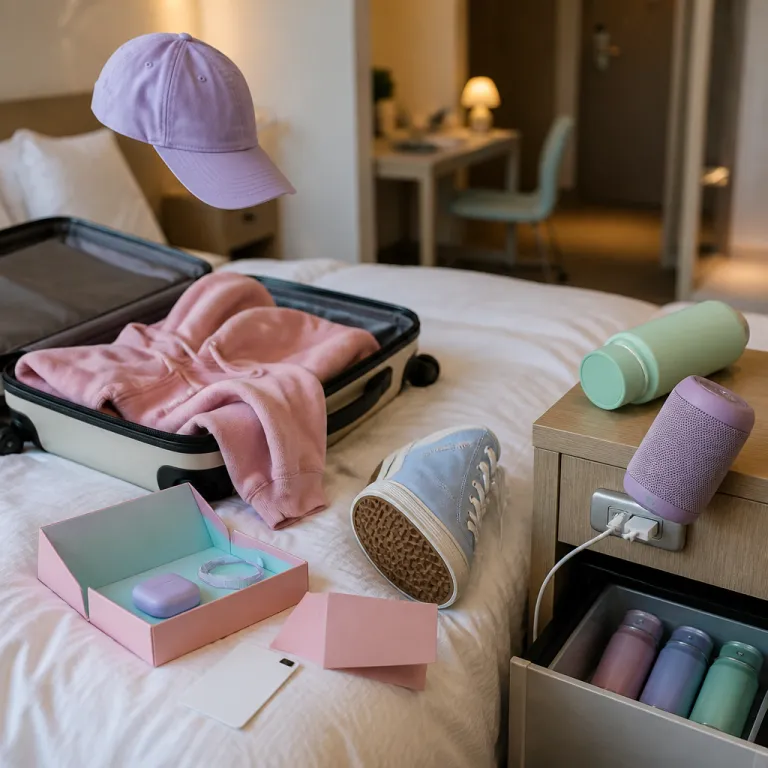
Physical design is where luxury hotel family travel with teenagers either succeeds quietly or fails in plain sight. A room that works for a couple and one small child often collapses under the weight of two tall teenagers, their sneakers, devices and need for privacy during a shared family vacation. When you evaluate hotels, look beyond the headline photos and ask how the layout will feel on day three of the trip.
Separate sleeping zones, sliding doors and two real seating areas allow teens to retreat without disappearing, which matters on longer family vacations or multi stop family travel itineraries. In inclusive resorts, check whether the teen lounge sits beside the kids splash area or closer to the main pool, because proximity signals whether the space is designed for teenagers or simply rebranded from a children’s room. Properties like Disney’s All Star Resorts, which explicitly programme for families with teens, tend to place teen approved zones near the action rather than at the edge of the park style complex.
Technology quietly shapes whether a space feels teen friendly or not, from plentiful charging points to streaming ready televisions that accept their own logins. Hyatt Regency Huntington Beach, for example, leans into this with its HyaTTeen Suite 16 celebration packages, turning rooms into event spaces that teens actually want to photograph and share. When you plan peak season stays, guides such as Lodgingstay’s advice on booking the right stay for busy summer periods help you prioritise layouts and amenities that keep both parents and teens best aligned.
Balancing teen autonomy, safety and inclusive family experiences
Parents booking luxury hotel family travel with teenagers walk a tightrope between giving freedom and keeping everyone safe. Teenagers want to roam the resort, explore the nearby beach or park and meet other teens without constant check ins, while parents quietly track curfews, room charges and the route back from the arcade. The best inclusive resorts and luxury hotels now use design and discreet technology to make this balance easier for both sides.
Some large resorts experiment with app based messaging, wristbands or simple geo fencing that alerts parents when a teen leaves certain zones, though adoption varies widely. More common are clear age based access rules for pools, gyms and lounges, which help families set expectations before the vacation begins and avoid awkward conversations at the door. When a property publishes these rules transparently, it signals a serious approach to teen safety rather than a marketing line about being family friendly without substance.
Outside the resort gates, autonomy can be built into the itinerary through structured activities that still feel independent, such as guided surf sessions in Costa Rica, zip line courses near a national park or urban food tours in New York City. These experiences let a teen or group of teenagers test boundaries with professional supervision, while parents enjoy their own version of the best inclusive day. Over time, families teens who grow up with this calibrated freedom often become the most loyal guests, returning to the same hotels for future family vacations and, later, for their own adult trips.
How to choose teen approved hotels and resorts for your next trip
Finding the right luxury hotel family travel teenagers teen friendly option starts with asking sharper questions before you book. Do not stop at “family friendly” on the website ; ask specifically what exists for a teen, a younger teen and any kids under ten, because those needs rarely overlap. The answers quickly reveal whether a property truly understands families teens or simply offers a generic family package.
Look for concrete teen programming such as Blur Teen Lounge at JW Marriott Starr Pass Resort & Spa, The Hang Out at Fairmont Scottsdale Princess or the teen concierge at Omni Berkshire Place, because these are not easily improvised. When a hotel invests in such spaces, it usually also curates off site activities that work for vacations teens, from mountain biking near a national park to street art tours in dense cities. For resort stays, ask whether the property partners with any preferred partner networks or brands that specialise in teen experiences, since those collaborations often raise the overall standard.
Destination also matters more than many parents admit, especially when you compare a beach resort in Costa Rica with an urban stay in New York City or a mountain lodge near a national park. Some families thrive on the rhythm of inclusive resorts with structured activities, while others prefer independent hotels where each day’s trip is built from scratch. For a deeper sense of how different lodging traditions shape family travel, Lodgingstay’s guide on why ryokans are not standard hotels shows how design and ritual can transform a simple stay into a shared family story.
Where teen focused innovation is heading in luxury family travel
Teen centric hospitality is still young, but the direction is clear for luxury hotel family travel with teenagers. Early movers like JW Marriott Starr Pass Resort & Spa, Fairmont Scottsdale Princess, Hyatt Regency Huntington Beach, Omni Berkshire Place and Disney’s All Star Resorts show how targeted investments can shift a property from generic family friendly to genuinely teen approved. Their initiatives share a common goal ; to enhance teen guest experience, provide age appropriate activities and offer independence within a safe environment.
These hotels experiment with teen exclusive lounges, tech rich hangouts, teen concierge services and even milestone celebration packages, all designed to make teenagers feel seen. As one summary of current practice notes, “Hotels like JW Marriott Starr Pass and Fairmont Scottsdale Princess offer teen lounges.” That simple sentence captures a wider movement, where luxury hotels recognise that teenagers influence where families book and how often they return for future family vacations.
For parents, this shift means more choice but also more homework, because marketing language around family travel can blur quickly. Focus on specific spaces, clear programming and how staff talk about teens, tweens and kids when you ask detailed questions before confirming a stay. Resources such as Lodgingstay’s guide to choosing the right family focused lodge for luxury minded stays help you decode which properties have truly figured out this hardest age group in hospitality.
FAQ: luxury hotel family travel with teenagers
Which hotels currently offer specific amenities for teenagers
Several major brands now invest in teen specific spaces and activities that go beyond generic kids clubs. JW Marriott Starr Pass Resort & Spa operates Blur Teen Lounge, Fairmont Scottsdale Princess runs The Hang Out as a teen only zone, and Hyatt Regency Huntington Beach offers HyaTTeen Suite 16 celebration packages. In New York City, Omni Berkshire Place introduced its Teen Connection program with a teen concierge, while Disney’s All Star Resorts tailor stays for families with teens across their park focused hotels.
What is a teen concierge service in a hotel
A teen concierge service is a dedicated role or program where a teenager, or staff member trained to focus on teen interests, provides recommendations to teen guests. At Omni Berkshire Place, the Teen Connection initiative uses a teen concierge to suggest shows, shops and activities that resonate with young guests rather than their parents. This approach respects teen autonomy while still keeping the overall family vacation coordinated and safe.
How can parents tell if a hotel is genuinely teen friendly
Parents should look for specific teen lounges, named programs and clear schedules rather than vague promises about being family friendly. Ask whether the hotel has separate spaces for teens and tweens, what evening activities exist for teenagers, and how staff manage safety when teens move around the resort independently. Properties that answer these questions confidently usually deliver a better experience for families teens than those that rely only on children’s menus and basic pools.
Are teen focused amenities a real reason to choose one resort over another
For many families with older kids, teen focused amenities can be the deciding factor between two similar resorts. When teenagers feel engaged and respected, parents enjoy more relaxed time by the pool, at the spa or exploring the destination, which improves the overall value of the stay. Repeat bookings often follow, because a teen approved experience is hard to replace once a family has experienced it.
Do teen lounges and programs cost extra during a family vacation
Pricing varies widely between hotels and inclusive resorts, so parents should always ask in advance. Some properties include access to teen lounges and basic activities within the nightly rate, while charging extra for premium experiences such as surf lessons, guided excursions or special celebration packages. Clarifying these costs before the trip helps families budget accurately and avoid awkward surprises at check out.