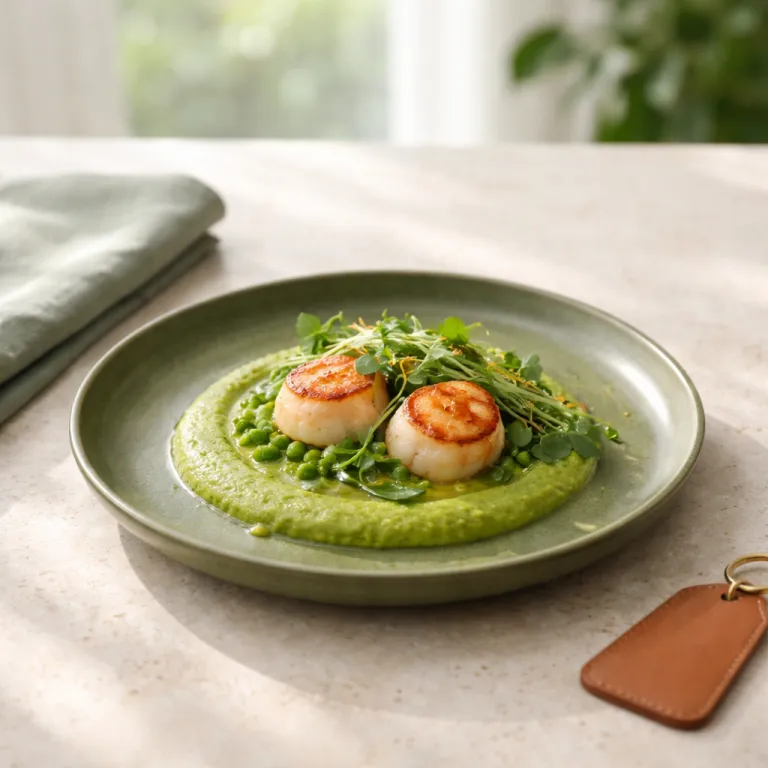
The restaurant as the true signature of the hotel
In the luxury tier, the modern hotel is increasingly defined by its restaurant rather than its room inventory. The most compelling hotel restaurant dining destination today treats its culinary vision as the primary brand story, while the rooms quietly support that narrative with comfort, technology, and discreet service. For business leisure travelers, this shift means the decision to book often starts with the dining promise, not the thread count.
Across leading hotels in the United States, food and beverage operations now act as the first touchpoint for both guests and locals in the city. Properties such as The Woodlands Waterway Marriott Hotel & Convention Center or The Henry, Autograph Collection, use their hotel restaurants as living showrooms, where Acqua Restaurant or TRIA set the tone for the entire experience before a single room key is issued. When a restaurant becomes the lobby’s gravitational pull, the hotel transforms into a genuine dining destination that competes directly with stand-alone restaurants in the surrounding food scene.
This rebalancing is not theoretical; industry benchmarking consistently shows that a large majority of upscale hotels operate at least one on-site restaurant, and many operate several distinct dining experiences under one roof. The Palms Hotel & Spa in Miami, for example, positions Essensia Restaurant & Bar as a wellness-driven culinary anchor, while Blossom Hotel Houston’s Blossom Reserve and Plum Skybar + Lounge create a layered food-and-beverage ecosystem that keeps guests in-house. For the executive traveler extending a stay, that concentration of restaurants, a serious bar program, and a thoughtful wine list can be the deciding factor between two competing hotels in the same city.
Chef as creative director and the rise of narrative dining
In the most forward-looking hotels, the chef now operates less as a back-of-house technician and more as a creative director for the entire property. When an executive chef defines the culinary language, that vocabulary often spills into the lobby art, the in-room minibar, the club-level snacks, and even the resort spa treatment menus. A strong hotel restaurant dining destination therefore becomes a cohesive narrative, where the dining room, the bar, and the guest room all feel like chapters of the same story.
This narrative approach is visible at Hamilton Hotel in Washington, D.C., where Via Sophia’s modern osteria concept shapes everything from the Italian-leaning wine selection in the bar to the design of the adjacent social space. At Pendry San Diego Hotel, Provisional Kitchen, Café & Mercantile blurs restaurant, retail, and lounge, creating a flexible space that opens window-like sightlines between the kitchen and the dining area for a subtle chef’s theater. For travelers who care about craft, this kind of integrated culinary experience often ranks as the best reason to book a specific hotel over a comparable competitor.
As experiential expectations rise, some properties are experimenting with so-called phygital dining, using augmented reality previews of the menu or live kitchen feeds that open window-style on in-room televisions. Used intelligently, these tools deepen the dining experience by connecting guests to the culinary team, much like cooking over cast iron can connect travelers to a destination’s heritage, as illustrated by many mountain lodges that build their identity around open-fire, cast-iron cookery. The risk, of course, is that technology becomes a gimmick; the hotels that succeed keep the chef’s vision and the integrity of the food at the center, allowing digital layers to support rather than overshadow the core restaurant experience.
The third space strategy and why locals now own the lobby
For the business leisure guest, the most memorable hotel restaurant dining destination often feels less like a transient space and more like a club they might actually join. This is the essence of the third space strategy, where hotel restaurants and bars are designed as everyday living rooms for the surrounding neighborhood, not just as amenities for people sleeping upstairs. When locals treat the lobby bar as their default meeting place, the hotel gains a powerful form of social proof that no marketing campaign can replicate.
Properties such as HALL Park Hotel, with its Palato Italian Kitchen and Lounge, or The Breakers on the Ocean Hotel, with its relaxed oceanfront dining room, show how a well-calibrated restaurant can anchor an entire micro-community. A carefully tuned mix of seating types, from high-energy bar counters to quieter lounge corners, allows the same space to serve breakfast meetings, laptop sessions, afternoon tea, and late-night wine conversations. For the executive traveler, this means the hotel can double as a temporary office, a client entertaining venue, and a social club, reducing the need to crisscross the city for every appointment.
From a commercial perspective, inviting non-resident guests into hotel restaurants is a strategic decision rather than a cultural gesture. A vibrant local following stabilizes revenue beyond room nights, smooths seasonal swings, and supports more ambitious culinary programs, including fine dining concepts that might otherwise struggle. When a hotel in Los Angeles or Beverly Hills can fill its dining room with locals on a Tuesday, or when a Madison beach resort spa can turn its terrace into the town’s preferred afternoon tea venue, the property gains pricing power on both its rooms and its restaurant menus.
When dining justifies the stay: economics, extensions and executive choices
For high-frequency travelers, the decision to extend a work trip into leisure often hinges on whether the hotel restaurant dining destination feels genuinely special. A property where the restaurant, the bar, and the in-room dining menu are all afterthoughts will rarely persuade an executive to stay through the weekend. By contrast, a hotel that offers layered dining experiences, from an award-winning fine dining room to a relaxed lobby bar with a serious food-and-beverage program, can turn a two-night stay into four nights without discounting the room rate.
The economics behind this are straightforward; industry analyses regularly note that strong on-site dining can lift overall hotel revenue by a meaningful margin, not only through restaurant checks but through higher occupancy and better rate resilience. When a hotel in New York City partners with a James Beard–recognized chef, or when a Los Angeles property builds a restaurant that becomes a social media magnet, the halo effect touches every part of the business. Even secondary outlets, such as pool bars or casual restaurants, benefit from the reputation of the flagship hotel restaurant and help keep guests on property rather than spending in external restaurants across the city.
For travelers comparing options across booking platforms, the message is clear. Evaluate hotels not only by room size or spa facilities, but by the seriousness of their culinary ambition, the coherence of their dining experience, and the way their restaurants engage with the local food scene. In a market where farm-to-table dining, sustainable and eco-friendly practices, and inventive fusion cuisines are more than trends, the best hotels treat every plate, every glass of wine, and every shared photo-worthy moment as the true measure of their brand.
Key figures shaping hotel restaurant led hospitality
- A substantial majority of full-service hotels now operate at least one on-site restaurant, indicating that integrated dining is a standard expectation rather than a luxury add-on (various Hotel Industry Reports on the global upscale segment).
- Hotels that invest seriously in food and beverage programs frequently report notable revenue uplift, reflecting both direct restaurant income and indirect gains in room rate performance (Hospitality financial analyses across international samples of branded properties).
- Industry surveys show that a growing share of non-resident guests regularly dine at hotel restaurants, confirming that these venues increasingly function as neighborhood third spaces rather than closed guest amenities (multiple hospitality advisory studies on urban hotels).