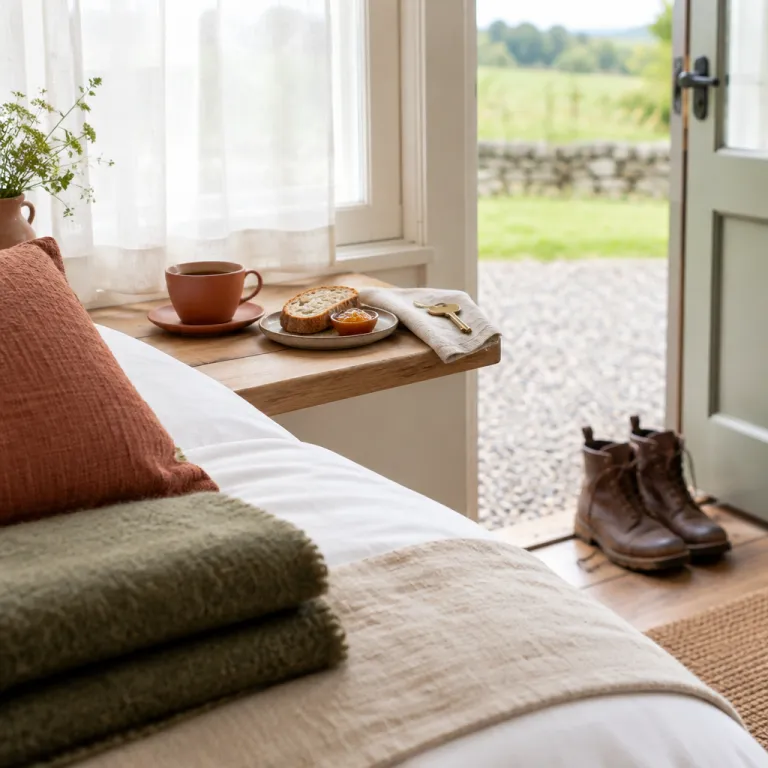
Why a countryside hotel near the city can elevate your luxury stay
Choosing a countryside hotel near the city changes the rhythm of a luxury stay. Instead of stepping straight from airport to taxi to lobby, your journey takes a gentler path through fields, vineyards, or a winding road that already signals you have left the rush behind. For many premium family travelers, that shift alone is what turns a standard hotel night into a restorative escape.
Industry reports from organizations such as STR and HotStats indicate that well-positioned rural retreats and country house hotels can achieve occupancy levels comparable to, and sometimes higher than, city properties, especially on weekends and during holiday periods. For example, STR data for selected European markets in 2023 shows upscale rural hotels averaging weekend occupancies in the mid‑70% range, versus roughly 70% for comparable urban properties. This reflects how many travelers now value space and quiet over a central postcode. The trend also aligns with the rise of low-density, high-privacy estates, where fewer suites mean calmer public areas and a manor-style atmosphere that can feel almost like a private home for your clan. When you check availability for these hotels, you are not only checking dates but also securing access to a slower pace that urban towers rarely match.
The practical case is simple: a refined country house or rural resort often sits 30 to 60 minutes from a major hub, close enough for museum mornings yet far enough for starlit evenings. A family can enjoy a full day in town, then return to landscaped lawns, a pool, and a spa instead of a cramped corridor and traffic noise. For many guests, that contrast between city energy and rural calm is the perfect expression of what modern luxury travel should feel like.
When the extra 40 minutes make sense for families and food lovers
The extra drive to a countryside retreat near a major city makes the most sense when your trip is not only about ticking off sights but about how each day actually feels. For families, the equation is clear: the same budget that buys one compact city room often secures interconnecting bedrooms, gardens, and a pool just outside town. That means more space for children to roam and fewer negotiations over who sleeps where each night, plus quieter nights for adults who want a genuine sense of escape.
Consider Borgo Egnazia in southern Italy, set in the countryside near Bari yet close enough for day trips to the coast and historic towns. Here, the design is great for families, with white stone lanes, a village-style layout, and a spa that feels like a sanctuary while children join supervised activities that take place outdoors. The property functions almost as a country house village, where your selected villa or suite becomes a private base and the wider community of guests shares piazzas, pools, and restaurants that channel a contemporary dolce vita.
Food-focused travelers also gain from this shift, because many rural hotels near cities now host serious destination restaurants, sometimes with a Michelin-starred kitchen. Relais San Maurizio in the hills near Turin is a textbook example, pairing a historic monastery-turned-manor with a restaurant where dinner becomes the main content of the evening rather than an afterthought squeezed between taxis. When you view hotel options on a map, these rural dots may look distant, yet the experience takes on a richer texture once you factor in vineyard visits, truffle hunts, and picture-perfect sunsets over the valley. A simple comparison illustrates the trade-off: in many Italian regions, a family might pay €900–€1,000 per night for two adjoining five-star city rooms, while a countryside suite or small villa with more than double the space, outdoor access, and a destination restaurant on site can start around €1,050–€1,150 per night, a modest premium for a significantly upgraded experience.
How logistics, transport, and planning actually work outside the city
Many travelers hesitate to book a country house hotel just beyond the city limits because they worry about logistics, yet the reality is usually more straightforward than expected. Most high-end rural estates now arrange transfers from airports or train stations, and some operate scheduled shuttles several times a day between the property and the city center. For families, this can be easier than navigating metro steps with strollers or splitting into multiple taxis every night.
Babington House, set in the English countryside near Bath, illustrates how a rural manor can solve the access question elegantly. Guests can arrive by train to Bath, then continue by car for less than an hour to reach a country retreat where the lawns, pool, and spa immediately reset the mood. A typical private transfer from Bath Spa station to the house takes around 45 minutes and, depending on vehicle size and season, might cost roughly the same as two city-center taxi rides per day. For instance, while two short urban taxi journeys might total £70–£80, a pre-booked countryside transfer for a family can often be arranged from about £80–£100, especially when shared across several passengers. Once checked in, you can alternate days in the city with slow mornings on site, using a simple map view of the region to plan excursions to villages, gardens, and walking trails.
Planning is key: before you compare hotel options, decide how many days you truly need in the city and how many you want in nature. When you check availability, align your dates with any local events that take place nearby, from vineyard harvests to open-air concerts, so that each room night supports a specific plan. Families who have followed similar guidance for a refined stay near regional attractions often find that a well-chosen rural base can anchor a whole week of varied activities without constant packing and unpacking. A sample three-day itinerary might include one full day in the city for museums and shopping, one mixed day with a half-day excursion and an afternoon by the pool, and one entirely countryside-focused day of walks, spa time, and a long dinner at the hotel restaurant.
Price, space, and what you really get for each rooms night
Comparing a countryside retreat just outside the city with a central address only makes sense when you look beyond the nightly rate. In many destinations, the same budget that buys one compact city room with a limited view can secure a suite or even a small house on an estate just beyond town. That extra space changes how a family lives, from separate sleeping areas to terraces where adults can talk after children fall asleep.
Take a typical European city: a premium family might pay a high rate for two adjoining hotel rooms with a partial city view and little access to greenery. Thirty or forty minutes away, the same spend can unlock a restored manor house wing with two bedrooms, a living area, and direct access to gardens, a lake, or a pool. When you view hotels on a map, these rural options often sit near hiking paths, cycling routes, and small villages, which means your experience takes place across a wider landscape rather than a single block. Look at the full cost per rooms night, including extras such as breakfast, parking, and resort activities, to see the real value difference.
Value also shows up in the details, from included breakfasts to kids clubs and spa access that would be add-ons in town. At properties like Borgo Egnazia or Relais San Maurizio, the design is great not only in public spaces but also in the hotel rooms, where natural materials, thoughtful lighting, and picture-perfect views create a sense of calm. For travelers used to dense city stays, this kind of countryside outlook can feel like a quiet form of luxury travel that respects both your budget and your need for breathing room.
Social media, scenery, and the new aesthetics of quiet luxury
The rise of the countryside hotel near the city is not only about logistics and price; it is also about how these places feel and look. Social media has trained travelers to seek settings that are both authentic and visually compelling, and rural estates often deliver that balance more convincingly than anonymous towers. A country house framed by olive trees or a lake at sunrise simply photographs better than a busy intersection.
Properties like Babington House or Relais San Maurizio understand that the perfect view is not only from the balcony but also from the pool, the breakfast terrace, and the path you walk at dusk. Their design is great at framing nature, using stone, wood, and soft landscaping so that every corner feels like a picture-perfect moment without tipping into stage-set territory. For families, these backdrops matter because they turn ordinary routines, from a morning swim to an early dinner at one of the hotel restaurants, into shared memories that feel grounded in place.
As one industry summary puts it, “What are the benefits of staying in a country hotel? Tranquility, nature immersion, and escape from urban noise.” That sentiment resonates strongly with the quiet luxury movement, where low density, privacy, and a slower pace carry more weight than overt displays of status. Across many curated lodging collections, the same pattern appears again and again: travelers who once defaulted to city centers now actively seek rural hotels whose views, clear privacy policies, and thoughtful main content signal that the experience takes precedence over the address. For anyone planning a premium family holiday or a food-focused escape, it is worth checking countryside availability first and treating the city as a day-trip destination rather than the only possible base.
FAQ
How do I find a countryside hotel near a major city?
The most efficient way is to search for rural hotels within a 30 to 60 minute radius of your target city, then use the map view on trusted booking platforms to refine options. Filter for a country house, manor house, or estate-style property, then check availability across several dates to see which hotels offer the best mix of rooms, spa access, and transport links. You can also contact local tourism boards, which often maintain selected lists of rural hotels close to urban centers.
What should I check before booking a country house for my family?
Before you confirm, check hotel details carefully, focusing on room configurations, child policies, and whether hotel rooms include separate sleeping areas or sofa beds. Look for on-site facilities such as pools, gardens, and a spa, as well as nearby activities that take place outdoors, like walking trails or lake access. Finally, review the privacy policy and booking conditions so you understand cancellation terms and any extra charges for additional guests per rooms night.
Are countryside hotels more expensive than city hotels?
Rates vary by destination, but many travelers find that a rural retreat near a major city offers better value per square meter than a central property. For the same budget, you may secure larger rooms, a suite, or even a small house with a perfect view of gardens or vineyards instead of a street scene. When comparing, factor in extras such as breakfast, parking, and spa access, which are often included outside the city but charged separately in town.
How do I manage transport when staying outside the city?
Most high-end countryside hotels provide clear guidance on transfers, whether through private cars, scheduled shuttles, or partnerships with local drivers. When you check availability, also ask the hotel to outline typical journey times to the city and any seasonal changes that might affect travel. Renting a car can offer maximum flexibility for families, especially if you plan to explore several villages or natural sites during your stay.
What kind of experiences can I expect at a rural manor house hotel?
A well-run manor house or country house near a city usually blends cultural access with nature-focused activities. Days might include city museum visits followed by late afternoon swims, spa treatments, or walks around the estate, while evenings often center on hotel restaurants that highlight regional produce and, in some cases, Michelin-star-level cooking. The overall rhythm is slower and more spacious than a city stay, which many guests describe as a more restorative form of luxury travel.