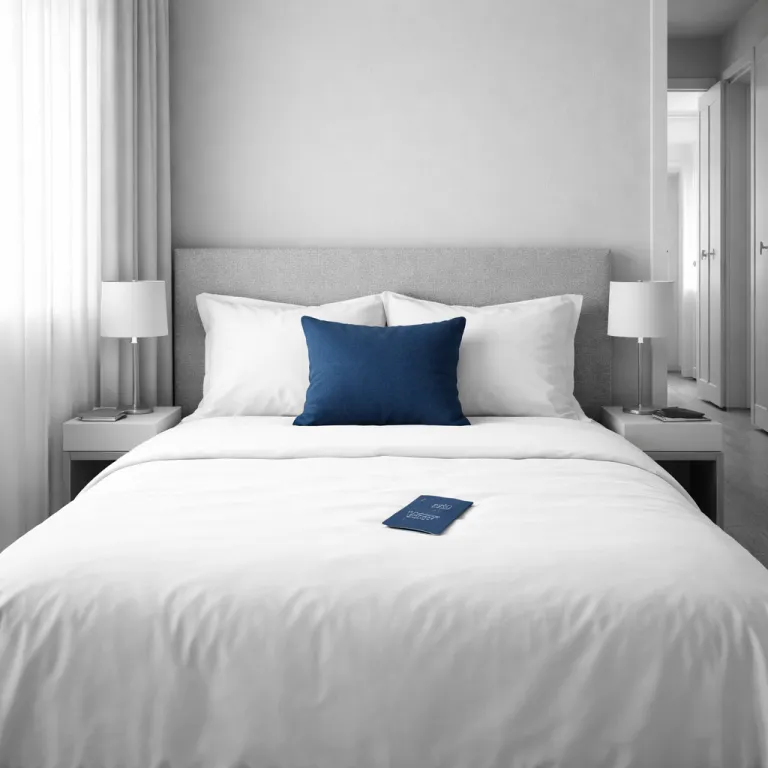
The first ten minutes that define a luxury hotel stay
Your luxury hotel check-in experience begins long before you reach the lobby. Thoughtful pre-arrival touches, from a precise confirmation email to a well-designed booking engine, quietly set expectations for the guest journey. When travelers sense care at every step, they arrive primed to notice both excellence and missteps, and those early signals often shape how they interpret every interaction that follows.
Psychologists often describe the arrival experience as a “primacy moment”; the brain uses those first impressions to predict how the entire stay will feel. In luxury hotels, that means the first ten minutes after arrival can influence guest satisfaction more than any rooftop bar or spa treatment. A single warm gesture from the front desk staff can elevate guest confidence, while a clumsy check-in experience can shadow even beautifully designed rooms and otherwise flawless amenities.
For solo travelers, this moment lands with particular intensity. Walking alone into an unfamiliar property, a guest reads every detail of the hospitality choreography, from how quickly staff acknowledge them to whether the room is genuinely ready. The best hotels use this window to improve guest comfort immediately, turning a transactional check-in into a calm, human welcome that anchors the entire guest experience and sets a reliable tone for the stay.
Digital check-in, human welcome: finding the right balance
Luxury hotels now treat technology as part of the welcome, not a replacement for it. Many properties offer online check-in options through their booking engine, allowing a guest to upload documents, confirm arrival time and select a room type before stepping inside. Used well, these tools allow guests to bypass queues while the front desk focuses on meaningful hospitality rather than repetitive data entry or manual form-filling.
Industry data illustrates how quickly these practices are becoming standard. Hospitality Technology’s 2023 Lodging Technology Study reported that roughly six in ten hotels offered some form of mobile check-in, and internal brand benchmarks in high-end properties often target an average check-in time of around five minutes. Some luxury groups report that properties with strong mobile adoption see check-in satisfaction scores rise by several percentage points, especially among business travelers arriving late at night. When contactless check-in flows smoothly, guests may receive a digital key, tailored room preferences and a short guest messaging note from staff, all before they cross the threshold.
The risk comes when technology creates distance instead of ease. A guest who has completed an online check-in may still want a genuine greeting, a sense that the property understands their guest profiles and reasons for travel. As one luxury hotel general manager in London put it in a 2022 industry roundtable, “The app should handle the paperwork so our team can handle the person.” The most thoughtful hotels train staff to read each arrival experience, deciding when to lean into contactless convenience and when to slow down, step from behind the front desk and offer a more conversational guest experience that feels distinctly human.
Arrival rituals that feel personal, not performative
Quiet luxury has shifted the focus from grand gestures to intentional details. Instead of theatrical lobby performances, many hotels now choreograph a softer luxury hotel check-in experience, where scent, light and sound work together to calm the nervous system. A guest stepping into a dimly lit lobby with warm tones and subtle fragrance often feels their shoulders drop before a single word is exchanged, and that physical response becomes part of the emotional memory of the stay.
Well-trained staff understand that the arrival experience is less about scripted lines and more about attentive reading of the guest journey. A solo traveler might appreciate a direct escort to the room, while guests traveling as a group may prefer a brief orientation to the property and its service rituals. When hotels align these micro choices with accurate guest profiles, they elevate guest comfort without ever feeling intrusive, and they quietly reinforce the sense that every detail has been considered.
Some of the most effective rituals are almost invisible. A glass of water appears during check-in, luggage is already en route to the room, and a short guest messaging note confirms late check-out before the key is handed over. At properties such as Aman Tokyo or the Four Seasons in Florence, these gestures are so smoothly integrated that guests rarely notice the choreography, only the ease. These experiences signal that the hotel will anticipate needs throughout the stay, and they often echo into the post-stay memory, shaping how travelers talk about the hotel experience on social media and in private recommendations.
The solo explorer’s lens on the check-in moment
Arriving alone, a guest reads the lobby like a map of what the stay will be. The way staff make eye contact, offer help with luggage or guide them through the check-in experience can either soothe or amplify the vulnerability of solo travel. When hotels design the luxury hotel check-in experience with solo travelers in mind, they create a sense of belonging that starts at the threshold and continues through every corridor and lounge.
For independent travelers, clarity is as comforting as champagne. They value a front desk that explains how technology and human service work together: where to request late-night room service, how to use guest messaging for quick questions, and which spaces in the property feel best for working or reading alone. A concise orientation, tailored to the guest journey rather than a generic script, can improve guest confidence in navigating both the hotel and the surrounding neighbourhood, especially in large urban properties where the lobby can feel overwhelming.
Online review platforms frequently highlight how nuanced these first minutes can be, especially in urban boutique and high-end business hotels. One frequent solo guest describing a stay at a Parisian palace hotel noted that a two-minute lobby tour and a brief explanation of safety features made them feel “looked after but not watched.” A well-designed arrival experience reassures solo guests that the hotel will respect their independence while remaining available when needed. That balance often determines whether guests will extend their stay, return on future trips or recommend the property to friends who travel alone.
When technology truly enhances hospitality
The most sophisticated luxury hotels treat technology as an invisible concierge. Behind the scenes, guest profiles aggregate preferences from previous experiences, from pillow firmness to preferred check-in times and favourite minibar items. When a guest arrives to find the room temperature, lighting and amenities already tuned to their habits, the luxury hotel check-in experience feels uncannily intuitive and distinctly tailored.
Mobile-first systems now allow guests to complete online check-in steps on the way from the airport, while contactless options reduce friction for those who prefer minimal interaction. “Mobile check-in adoption”, “personalized guest experiences” and “flexible check-in/out policies” are no longer marketing phrases but operational standards in many high-end hotels. In some brands, more than half of eligible guests now opt for digital keys, and satisfaction scores for those travelers often track several points higher. Used thoughtfully, these tools allow guests to shape their own arrival experience, choosing between a swift key handover or a slower, more conversational welcome.
Technology also strengthens post-stay relationships when handled with care. Smart guest messaging platforms can follow up with a brief note asking about guest satisfaction, while social media teams respond to feedback with the same attentiveness as the front desk. The goal is not to automate hospitality, but to improve guest comfort by freeing staff from repetitive tasks so they can focus on the human details that make a luxury hotel stay feel genuinely memorable and worth revisiting.
Designing lobbies that speak softly but clearly
Step into any great luxury lobby and you feel the script before you hear it. The arrival experience is written in the height of the ceiling, the softness of the seating and the way sound moves through the space. A guest senses within seconds whether the hotel will be a sanctuary, a social hub or a discreet backdrop to the city outside, and that first lobby impression often lingers longer than a room tour.
Designers now pay close attention to the sensory arc of the luxury hotel check-in experience. Gentle lighting near the front desk, acoustics that muffle rolling suitcases and a signature scent that is present but never overwhelming all contribute to guest satisfaction. When these elements align, guests will often describe their experiences as calming without quite knowing why, and that emotional memory lingers long after the stay, influencing loyalty and word-of-mouth recommendations.
Thoughtful lobby layouts also allow guests to choose their own level of visibility. Some travelers prefer a direct path from entrance to room, while others enjoy pausing at a lounge table to orient themselves before check-in. By offering both options, hotels respect different guest journeys and signal that the property will adapt to individual needs, not the other way around, reinforcing the sense of quiet, confident luxury.
FAQ about luxury hotel check-in experiences
What is the standard check-in time at luxury hotels?
Most luxury hotels set standard check-in time at either 15:00 or 16:00, which allows housekeeping to prepare rooms after departures. Guests can often request early check-in during pre-arrival communication, but approval remains subject to availability. Using online check-in tools may help the property prioritize your room if you share an accurate arrival time and note any flexibility.
Can I request an early check-in and how should I do it?
Yes, you can request early check-in by contacting the hotel directly once your booking is confirmed. Reaching out to the front desk or reservations team a few days before arrival gives staff time to plan room allocation. While hotels cannot guarantee early access, clear communication and flexible travel times often improve your chances, especially during quieter midweek periods.
Do luxury hotels offer mobile or contactless check-in options?
Many luxury properties now provide mobile check-in through their own apps or a web-based booking engine. These systems allow guests to complete registration details, choose approximate arrival times and sometimes receive a digital key for contactless access to their room. Even when you use these tools, you can still approach the front desk for a more traditional welcome if you prefer, blending digital convenience with a personal greeting.
How can I personalize my arrival experience as a solo traveler?
Solo travelers can personalize the arrival experience by sharing preferences during pre-arrival communication, such as quiet room location, pillow type or interest in local recommendations. Mentioning that you are traveling alone often prompts staff to offer extra orientation about the property and neighbourhood. Using guest messaging channels once you arrive also helps the hotel fine-tune service throughout your stay, from restaurant suggestions to late check-out options.
What should I expect from a well-designed luxury hotel check-in experience?
A well-designed luxury hotel check-in experience feels calm, efficient and personal rather than theatrical. You can expect staff to acknowledge you quickly, confirm key details from your booking, and offer clear information about the property without overwhelming you. The best hotels then follow through on this first impression, maintaining the same level of hospitality from arrival to post-stay follow-up and ensuring that the memory of the welcome matches the quality of the entire stay.